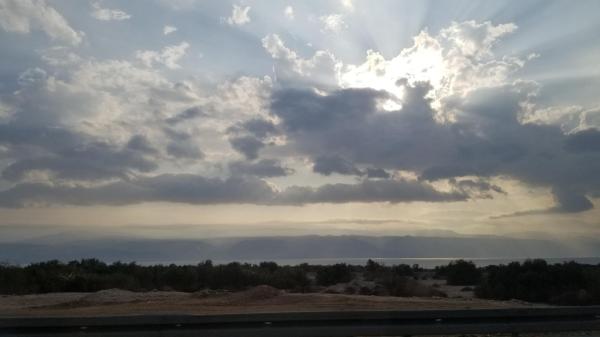
As 2022 came to an end and 2023 began, we had the opportunity to travel to the Holy Lands to experience a trip filled with history, religion and culture. After much debate over the prudence of the decision to travel to an area that is often portrayed in the media as ripe with strife and war, we hired a travel company and jetted off to Amman, Jordan.
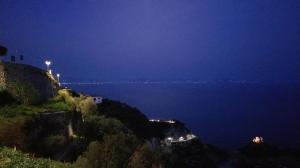
As we arrived very late at night, we didn’t have much time in Amman, but we did have a nice view of the city from our hotel.
![20221228_230323[4456]](https://terisacunha.com/wp-content/uploads/2023/01/20221228_2303234456.jpg?w=394&h=222)
Day 1
Bright and early the morning after arriving, we began the culinary portion of our journey with a Jordanian breakfast of hummus, baba ghanoush, moutabel (baba ghanoush with yogurt mixed in) and muhammara (roasted walnut and red pepper spread) with pita bread as well as mujaddal (very salty stringy cheese), labneh (a cheese spread), manakish (like a pizza with herbs/seasonings only), mo’ajjanat (bread stuffed with cheese), potatoes and fruit pastry.
![20221229_074827[4457]](https://terisacunha.com/wp-content/uploads/2023/01/20221229_0748274457.jpg?w=321&h=181)
![IMG-20221229-WA0000[4469]](https://terisacunha.com/wp-content/uploads/2023/01/img-20221229-wa00004469.jpg?w=464&h=209)
After what was much more food than I have eaten for breakfast in a long time, we were taken out of the city to Mt. Nebo which is the mountain where Moses died after only being allowed to look into the Holy Lands.
![20221229_100957[4474]](https://terisacunha.com/wp-content/uploads/2023/01/20221229_1009574474.jpg?w=235&h=423)
The views from the mountain were nice and most of the points in the Holy Lands are only a few miles away. Though the weather was a bit hazy, we were still able to see the Dead Sea and areas like Jerusalem.
![20221229_093336[4470]](https://terisacunha.com/wp-content/uploads/2023/01/20221229_0933364470.jpg?w=385&h=217)
![20221229_094849[4471]](https://terisacunha.com/wp-content/uploads/2023/01/20221229_0948494471.jpg?w=396&h=223)
The mountain features an iron serpent and cross monument to commemorate the story of Moses putting a snake on a pole as God directed.
![20221229_095521[4473]](https://terisacunha.com/wp-content/uploads/2023/01/20221229_0955214473.jpg?w=310&h=558)
There was also a small church on the spot with some mosaic floors.
![20221229_094035[4472]](https://terisacunha.com/wp-content/uploads/2023/01/20221229_0940354472.jpg?w=321&h=181)
After this, we made our way to St. George’s Monastery where we got to see the large mosaic floor depicting the map of the Holy Lands from the 6th century. This is actually the oldest known map of the Holy Lands. They had many beautiful mosaics in the church.
![20221229_110107[4451]](https://terisacunha.com/wp-content/uploads/2023/01/20221229_1101074451.jpg?w=229&h=129)
![20221229_105551[4476]](https://i0.wp.com/terisacunha.com/wp-content/uploads/2023/01/20221229_1055514476.jpg?w=447&h=251&ssl=1 "20221229_105551[4476]")
![20221229_105502[4477]](https://i0.wp.com/terisacunha.com/wp-content/uploads/2023/01/20221229_1055024477.jpg?w=447&h=251&ssl=1 "20221229_105502[4477]")
![20221229_105451[4475]](https://i0.wp.com/terisacunha.com/wp-content/uploads/2023/01/20221229_1054514475.jpg?w=281&h=506&ssl=1 "20221229_105451[4475]")
![20221229_105736[4452]](https://i0.wp.com/terisacunha.com/wp-content/uploads/2023/01/20221229_1057364452.jpg?w=173&h=312&ssl=1 "20221229_105736[4452]")
![20221229_105720[4453]](https://i0.wp.com/terisacunha.com/wp-content/uploads/2023/01/20221229_1057204453.jpg?w=555&h=312&ssl=1 "20221229_105720[4453]")
After leaving the church, we drove quite a while through small cities and the desert to get to Karak Castle which is the remains of a fortress from ancient people that was used extensively by the Crusaders.
![20221229_123638[3909]](https://i0.wp.com/terisacunha.com/wp-content/uploads/2023/01/20221229_1236383909.jpg?w=373&h=210&ssl=1 "20221229_123638[3909]")
![20221229_110727[4454]](https://i0.wp.com/terisacunha.com/wp-content/uploads/2023/01/20221229_1107274454.jpg?w=373&h=210&ssl=1 "20221229_110727[4454]")
![20221229_123949[3911]](https://i0.wp.com/terisacunha.com/wp-content/uploads/2023/01/20221229_1239493911.jpg?w=373&h=210&ssl=1 "20221229_123949[3911]")
![20221229_124102[3907]](https://i0.wp.com/terisacunha.com/wp-content/uploads/2023/01/20221229_1241023907.jpg?w=355&h=638&ssl=1 "20221229_124102[3907]")
![20221229_124242[3910]](https://i0.wp.com/terisacunha.com/wp-content/uploads/2023/01/20221229_1242423910.jpg?w=364&h=205&ssl=1 "20221229_124242[3910]")
![20221229_131832[3912]](https://i0.wp.com/terisacunha.com/wp-content/uploads/2023/01/20221229_1318323912.jpg?w=364&h=205&ssl=1 "20221229_131832[3912]")
There were many interesting rooms where the residents made olive oil and bread. There was also a prison. ![20221229_131051[3914]](https://terisacunha.com/wp-content/uploads/2023/01/20221229_1310513914.jpg?w=191&h=344)
![20221229_131045[3913]](https://terisacunha.com/wp-content/uploads/2023/01/20221229_1310453913.jpg?w=188&h=338)
![20221229_132722[3917]](https://terisacunha.com/wp-content/uploads/2023/01/20221229_1327223917.jpg?w=185&h=333)
![20221229_133122[3918]](https://terisacunha.com/wp-content/uploads/2023/01/20221229_1331223918.jpg?w=183&h=329)
![20221229_132525[3916]](https://i0.wp.com/terisacunha.com/wp-content/uploads/2023/01/20221229_1325253916.jpg?w=364&h=205&ssl=1 "20221229_132525[3916]")
![20221229_132515[3915]](https://i0.wp.com/terisacunha.com/wp-content/uploads/2023/01/20221229_1325153915.jpg?w=364&h=205&ssl=1 "20221229_132515[3915]")
We had a buffet lunch at the castle grounds which included tabbouleh, Arabic salad, hummus and several yogurt-based dips. There was also vegetable sambosa (a triangular dough stuffed with vegetables), stewed tomatoes and vegetables with rice and kibbeh in a yogurt sauce (kibbeh is a breaded minced meat ball that is fried, and if you were at our wedding years ago, you might have had it there as it is eaten in Brasil). For a drink, we tried a limonana which is a lemon and mint concoction. Dessert was hareeseh or haresih. It was a nice cake.
![20221229_140342[3919]](https://i0.wp.com/terisacunha.com/wp-content/uploads/2023/01/20221229_1403423919.jpg?w=364&h=364&crop=1&ssl=1 "20221229_140342[3919]")
![20221229_141611[3892]](https://i0.wp.com/terisacunha.com/wp-content/uploads/2023/01/20221229_1416113892.jpg?w=364&h=364&crop=1&ssl=1 "20221229_141611[3892]")
![20221229_141213[3891]](https://i0.wp.com/terisacunha.com/wp-content/uploads/2023/01/20221229_1412133891.jpg?w=364&h=364&crop=1&ssl=1 "20221229_141213[3891]")
![20221229_142433[3893]](https://i0.wp.com/terisacunha.com/wp-content/uploads/2023/01/20221229_1424333893.jpg?w=364&h=364&crop=1&ssl=1 "20221229_142433[3893]")
After that lunch, we fell asleep on the long drive through the desert to reach Petra, but I woke a few times to see some of the tent villages and sheep herders on the way.
![20221229_153343[3894]](https://terisacunha.com/wp-content/uploads/2023/01/20221229_1533433894.jpg?w=417&h=235)
![20221229_122557[4455]](https://terisacunha.com/wp-content/uploads/2023/01/20221229_1225574455.jpg?w=419&h=236)
We made a quick stop to see one of the springs that was created when Moses hit his staff on the rock as described in the Bible.
![20221229_171302[3895]](https://terisacunha.com/wp-content/uploads/2023/01/20221229_1713023895.jpg?w=446&h=251)
Then, on to our hotel where they welcomed us with some Bedouin tea and Jordanian dates.
![20221229_173350[3898]](https://terisacunha.com/wp-content/uploads/2023/01/20221229_1733503898.jpg?w=446&h=251)
![20221229_173157[3896]](https://terisacunha.com/wp-content/uploads/2023/01/20221229_1731573896.jpg?w=175&h=315)
![20221229_173224[3897]](https://terisacunha.com/wp-content/uploads/2023/01/20221229_1732243897.jpg?w=266&h=150)
There wasn’t much time until dinner where we had a really nice meal of lentil soup, falafel, galayet (stewed tomato dish), muffarak batata (eggs and potato hash), strips of pita style bread dipped in olive oil and za’atar spice, taboon bread (seriously delicious!), musakan (chicken on a bed of seasoned rice and crispy onions) and mansaf (the national dish of Jordan) which is lamb meat cooked in a sauce of fermented dried yogurt served on rice and with a yogurt sauce. We tried some Jordanian wine and beer with it and finished the meal with kanafeh (a type of pastry with cream or cheese topped with a spun pastry and a syrup-kind of hard to describe). The one that we had was cream. Everything was very good!
![20221229_185023[3899]](https://i0.wp.com/terisacunha.com/wp-content/uploads/2023/01/20221229_1850233899.jpg?w=260&h=146&ssl=1 "20221229_185023[3899]")
![20221229_192234[3900]](https://i0.wp.com/terisacunha.com/wp-content/uploads/2023/01/20221229_1922343900.jpg?w=260&h=468&ssl=1 "20221229_192234[3900]")
![20221229_192239[3901]](https://i0.wp.com/terisacunha.com/wp-content/uploads/2023/01/20221229_1922393901.jpg?w=260&h=146&ssl=1 "20221229_192239[3901]")
![20221229_192321[3902]](https://i0.wp.com/terisacunha.com/wp-content/uploads/2023/01/20221229_1923213902.jpg?w=141&h=254&ssl=1 "20221229_192321[3902]")
![20221229_193116[3904]](https://i0.wp.com/terisacunha.com/wp-content/uploads/2023/01/20221229_1931163904.jpg?w=141&h=253&ssl=1 "20221229_193116[3904]")
![20221229_193431[3903]](https://i0.wp.com/terisacunha.com/wp-content/uploads/2023/01/20221229_1934313903.jpg?w=141&h=253&ssl=1 "20221229_193431[3903]")
![20221229_193805[3905]](https://i0.wp.com/terisacunha.com/wp-content/uploads/2023/01/20221229_1938053905.jpg?w=323&h=182&ssl=1 "20221229_193805[3905]")
![20221229_201738[3906]](https://i0.wp.com/terisacunha.com/wp-content/uploads/2023/01/20221229_2017383906.jpg?w=323&h=582&ssl=1 "20221229_201738[3906]")
As we were leaving the restaurant, we got to watch a local artisan making sand art using the stones found in the area near Petra. He had learned the trade from generations of his family. It was really incredible to watch the sand transform into a picture.
Day 2
We spent our second day in the Petra area which was once the home to the Nabateans. We walked for 3 hours with our guide looking at the sites of Petra. We saw a lot of tombs including the famous Treasury, the Dijn Blocks and the Street of Facades with 4 large tombs called the Royal Tombs.
![20221230_080251[3971]](https://i0.wp.com/terisacunha.com/wp-content/uploads/2023/01/20221230_0802513971.jpg?w=364&h=205&ssl=1 "20221230_080251[3971]")
![20221230_080944[3972]](https://i0.wp.com/terisacunha.com/wp-content/uploads/2023/01/20221230_0809443972.jpg?w=364&h=205&ssl=1 "20221230_080944[3972]")
![20221230_081217[3969]](https://i0.wp.com/terisacunha.com/wp-content/uploads/2023/01/20221230_0812173969.jpg?w=732&h=412&ssl=1 "20221230_081217[3969]")
![20221230_083345[3973]](https://i0.wp.com/terisacunha.com/wp-content/uploads/2023/01/20221230_0833453973.jpg?w=242&h=434&ssl=1 "20221230_083345[3973]")
![20221230_084123[3974]](https://i0.wp.com/terisacunha.com/wp-content/uploads/2023/01/20221230_0841233974.jpg?w=241&h=434&ssl=1 "20221230_084123[3974]")
![20221230_085441[3975]](https://i0.wp.com/terisacunha.com/wp-content/uploads/2023/01/20221230_0854413975.jpg?w=241&h=434&ssl=1 "20221230_085441[3975]")
![20221230_091148[3976]](https://terisacunha.com/wp-content/uploads/2023/01/20221230_0911483976.jpg?w=332&h=598)
![20221230_091644[3978]](https://terisacunha.com/wp-content/uploads/2023/01/20221230_0916443978.jpg?w=330&h=594)
![20221230_093916[3977]](https://terisacunha.com/wp-content/uploads/2023/01/20221230_0939163977.jpg?w=328&h=590)
![20221230_095713[3980]](https://terisacunha.com/wp-content/uploads/2023/01/20221230_0957133980.jpg?w=447&h=251)
![20221230_100313[3979]](https://terisacunha.com/wp-content/uploads/2023/01/20221230_1003133979.jpg?w=444&h=250)
![20221230_101722[3981]](https://terisacunha.com/wp-content/uploads/2023/01/20221230_1017223981.jpg?w=439&h=247)
![20221230_102902[3984]](https://terisacunha.com/wp-content/uploads/2023/01/20221230_1029023984.jpg?w=389&h=219)
![20221230_103443[3983]](https://terisacunha.com/wp-content/uploads/2023/01/20221230_1034433983.jpg?w=382&h=215)
We also saw the theater, the great temple used by the Romans and the temple of Pharoh’s daughter.
![20221230_105744[3985]](https://i0.wp.com/terisacunha.com/wp-content/uploads/2023/01/20221230_1057443985.jpg?w=364&h=205&ssl=1 "20221230_105744[3985]")
![20221230_111015[3987]](https://i0.wp.com/terisacunha.com/wp-content/uploads/2023/01/20221230_1110153987.jpg?w=364&h=205&ssl=1 "20221230_111015[3987]")
![20221230_101132[3956]](https://i0.wp.com/terisacunha.com/wp-content/uploads/2023/01/20221230_1011323956.jpg?w=732&h=412&ssl=1 "20221230_101132[3956]")
![20221230_133955[3959]](https://terisacunha.com/wp-content/uploads/2023/01/20221230_1339553959.jpg?w=451&h=254)
We learned a lot of history about the place and about the people that lived there and took in the architectural feats including the water system and the sculpted designs (I especially liked the remains of a sculpture featuring camels and herders).
![20221230_143418[4479]](https://i0.wp.com/terisacunha.com/wp-content/uploads/2023/01/20221230_1434184479.jpg?w=173&h=312&ssl=1 "20221230_143418[4479]")
![20221230_143452[3960]](https://i0.wp.com/terisacunha.com/wp-content/uploads/2023/01/20221230_1434523960.jpg?w=555&h=312&ssl=1 "20221230_143452[3960]")
After our walk with the guide, we grabbed some falafel sandwiches and some limonana before climbing a lot of steps past a lot of Bedouin stalls to reach the monastery which was a Nabatean tomb that Jesus supposedly stayed in when traveling through the area.
![20221230_113314[3986]](https://terisacunha.com/wp-content/uploads/2023/01/20221230_1133143986-1.jpg?w=235&h=423)
![20221230_123707[3958]](https://terisacunha.com/wp-content/uploads/2023/01/20221230_1237073958.jpg?w=396&h=713)
![20221230_132742[3957]](https://terisacunha.com/wp-content/uploads/2023/01/20221230_1327423957.jpg?w=306&h=551)
Then, we walked to an old church site that had a lot of mosaic floors before making our way up close and into the Royal Tombs.
![20221230_134656[3961]](https://terisacunha.com/wp-content/uploads/2023/01/20221230_1346563961.jpg?w=428&h=238)
After the tombs, it was time to make our way back through the siq (the opening in the rocks that leads to the large tombs) to head to another area called Little Petra. This area is where the caravans used to stay away from the main “city” of Petra. We saw the openings in the rocks that were the rooms they would stay in and the sinks that they would use to clean up in.
![20221230_154030[3964]](https://i0.wp.com/terisacunha.com/wp-content/uploads/2023/01/20221230_1540303964.jpg?w=173&h=312&ssl=1 "20221230_154030[3964]")
![20221230_154214[3962]](https://i0.wp.com/terisacunha.com/wp-content/uploads/2023/01/20221230_1542143962.jpg?w=555&h=312&ssl=1 "20221230_154214[3962]")
It was a long but interesting day, so when we got back to the hotel, we had a snack of arrays (like a quesadilla with lamb meat that was very good) and cheese. After resting for a while, we had a smaller dinner with fattet salad (salad with pieces of pita in it), various olives, Jordanian wine and some ashta (a cream topped with rose and orange blossom water) for dessert.
![20221230_162508[3963]](https://terisacunha.com/wp-content/uploads/2023/01/20221230_1625083963.jpg?w=206&h=371)
![20221230_170820[3965]](https://i0.wp.com/terisacunha.com/wp-content/uploads/2023/01/20221230_1708203965.jpg?w=242&h=434&ssl=1 "20221230_170820[3965]")
![20221230_183722[3966]](https://i0.wp.com/terisacunha.com/wp-content/uploads/2023/01/20221230_1837223966.jpg?w=241&h=434&ssl=1 "20221230_183722[3966]")
![20221230_190412[3967]](https://i0.wp.com/terisacunha.com/wp-content/uploads/2023/01/20221230_1904123967.jpg?w=241&h=434&ssl=1 "20221230_190412[3967]")
Day 3
Today, we began with an early morning drive to the crossing point between Jordan and Israel. As we left the Petra area, we saw the monument marking the place where Aaron, Moses’s brother, died. We also made a stop along the way to enjoy the views of the Dead Sea and to see the pillar that is reported to be the remains of Lot’s wife.
![20221231_090033[4024]](https://terisacunha.com/wp-content/uploads/2023/01/20221231_0900334024.jpg?w=515&h=290)
![20221231_090147[4023]](https://terisacunha.com/wp-content/uploads/2023/01/20221231_0901474023.jpg?w=312&h=562)
The border crossing itself was a bit chaotic, but luckily, our guide stuck with us until we got in the van to be driven across the border line. On the Israeli side, we got stuck in a line waiting first for security (we were behind a teenage girl who couldn’t figure out why the machine was going off as she pulled first two pieces of fruit, then a toilet paper roll and finally her air pods out of her pockets) and then for the passport check. But, we made it through and met our new guide.
As soon as we left the crossing point, the Biblical locations and history immediately jumped to life as we drove by the city of Jericho on our way to the point where it is believed that Jesus was baptized on the Jordan River (for many years this location was closed, and an alternate location was used but it has recently been reopened).
![20230103_082507[4248]](https://terisacunha.com/wp-content/uploads/2023/01/20230103_0825074248.jpg?w=537&h=138)
![20221231_114208[4025]](https://i0.wp.com/terisacunha.com/wp-content/uploads/2023/01/20221231_1142084025.jpg?w=447&h=251&ssl=1 "20221231_114208[4025]")
![20221231_114120[4028]](https://i0.wp.com/terisacunha.com/wp-content/uploads/2023/01/20221231_1141204028.jpg?w=447&h=251&ssl=1 "20221231_114120[4028]")
![20221231_114336[4027]](https://i0.wp.com/terisacunha.com/wp-content/uploads/2023/01/20221231_1143364027.jpg?w=281&h=506&ssl=1 "20221231_114336[4027]")
After dipping our hands in the water, we drove to the Qumran caves where the Dead Sea Scrolls were found. We watched a film about the Essenes who were a mystic Jewish sect that lived in the caves and were the ones that wrote the scrolls and hid them in the caves before being driven out by the Romans. In fact, it is believed that John the Baptist may have been a member of the sect. At the site, we could see not only the caves where the scrolls were found but also the remains of the Essene commune.
![20221231_121547[4026]](https://terisacunha.com/wp-content/uploads/2023/01/20221231_1215474026.jpg?w=481&h=270)
![20221231_122942[4031]](https://terisacunha.com/wp-content/uploads/2023/01/20221231_1229424031.jpg?w=359&h=646)
![20221231_122646[4029]](https://terisacunha.com/wp-content/uploads/2023/01/20221231_1226464029.jpg?w=266&h=150)
From here we went to a beach point on the Dead Sea and changed into our bathing suits in order to do a little floating. The salt content in the water is about 34% (normal saltwater is about 3.5%) so there are signs reminding you not to put your face in or splash so that you avoid burning in your eyes. While it was a little chilly in the water, the float was fun for a little bit and the views around the sea (though it is actually a large lake) were nice.
![IMG-20221231-WA0009[4022]](https://i0.wp.com/terisacunha.com/wp-content/uploads/2023/01/img-20221231-wa00094022.jpg?w=364&h=164&ssl=1 "IMG-20221231-WA0009[4022]")
![IMG-20221231-WA0005[4021]](https://i0.wp.com/terisacunha.com/wp-content/uploads/2023/01/img-20221231-wa00054021.jpg?w=364&h=164&ssl=1 "IMG-20221231-WA0005[4021]")
After cleaning up, we drove through the Judean mountains to Jerusalem. We drove up Mount Scopus and then to the Mount of Olives where we could overlook the whole city.
![20221231_153355[4030]](https://terisacunha.com/wp-content/uploads/2023/01/20221231_1533554030.jpg?w=455&h=256)
![20221231_155241[4032]](https://terisacunha.com/wp-content/uploads/2023/01/20221231_1552414032.jpg?w=452&h=255)
![20221231_155750[4034]](https://terisacunha.com/wp-content/uploads/2023/01/20221231_1557504034.jpg?w=451&h=254)
Our guide pointed out a lot of sites and shared a lot of history. Probably the most important place in Jerusalem is the Dome of the Rock (golden domed building). This is said to be the location on which the Earth began, where Abraham prepared to sacrifice Isaac, where the Holy of Holies (the Temple) was erected and where Mohammed from the Muslim faith ascended. Other locations that he pointed out were the site of the Last Supper, the Garden of Gethsemane and the spot of the crucifixion.
After hearing all of this information, we made our way down the mountain to the Garden of Gethsemane and the Lord’s Agony Church constructed around the site where Jesus prayed in the garden. The olive trees there are 2000 years old, so they are the trees from Jesus’s time. Inside the church, there were some beautiful mosaics and the stone on which Jesus prayed (of course, with all of the sites, the said spots are not confirmed exact locations but are the general area).
![20221231_160758[4035]](https://i0.wp.com/terisacunha.com/wp-content/uploads/2023/01/20221231_1607584035.jpg?w=364&h=205&ssl=1 "20221231_160758[4035]")
![20221231_161832[4039]](https://i0.wp.com/terisacunha.com/wp-content/uploads/2023/01/20221231_1618324039.jpg?w=364&h=205&ssl=1 "20221231_161832[4039]")
![20221231_161238[4036]](https://i0.wp.com/terisacunha.com/wp-content/uploads/2023/01/20221231_1612384036.jpg?w=241&h=241&crop=1&ssl=1 "20221231_161238[4036]")
![20221231_161419[4038]](https://i0.wp.com/terisacunha.com/wp-content/uploads/2023/01/20221231_1614194038.jpg?w=241&h=241&crop=1&ssl=1 "20221231_161419[4038]")
![20221231_161244[4037]](https://i0.wp.com/terisacunha.com/wp-content/uploads/2023/01/20221231_1612444037.jpg?w=241&h=241&crop=1&ssl=1 "20221231_161244[4037]")
After this, we made our way to our hotel where we had afternoon tea which was a fun experience. For dinner, our guide suggested a focaccia restaurant that was actually pretty good. We tried something called sabich which is essentially an eggplant dish (there is a sandwich version, but this was just the filling to be eaten on focaccia). We also had our first Israeli wine and beer.
![20221231_192116[4040]](https://i0.wp.com/terisacunha.com/wp-content/uploads/2023/01/20221231_1921164040.jpg?w=173&h=312&ssl=1 "20221231_192116[4040]")
![20221231_193409[4041]](https://i0.wp.com/terisacunha.com/wp-content/uploads/2023/01/20221231_1934094041.jpg?w=555&h=312&ssl=1 "20221231_193409[4041]")
Day 4
After breakfast where we tried Shashuka (essentially a tomato and pepper-based sauce with poached eggs on top), olives, cheeses, persimmon and some Challah bread, we ventured into the old city of Jerusalem.

![20230102_075147[4157]](https://terisacunha.com/wp-content/uploads/2023/01/20230102_0751474157-516865701-e1673549253292.jpg?w=223&h=178)
![20230102_073912[4159]](https://terisacunha.com/wp-content/uploads/2023/01/20230102_0739124159.jpg?w=265&h=149)
The first stop was just outside the city at the site of King David’s tomb and the Last Supper. The building itself is not the one from that time, but it is built on the site. The tomb is on the first floor and the Last Supper room is on the second floor. The room was very simple but pretty.
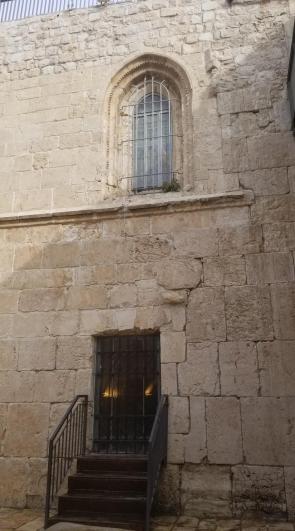
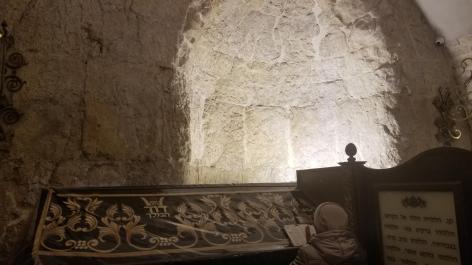

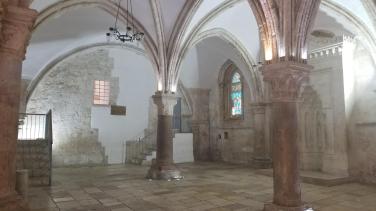
We also saw the church that is built on the spot where Mary ascended to Heaven.
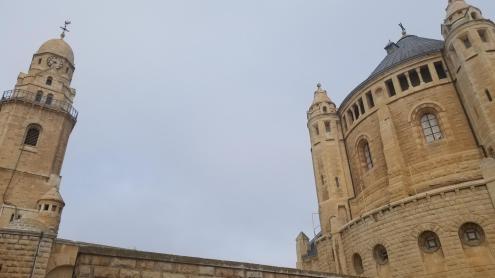

We walked into the Old City through the Zion Gate and saw the bullet holes left there from the 1948 war for independence.

In the city, we walked by the remains of the old main street called the Cardo.

We walked into the Jewish Quarter (the city has 4 quarters) and to the Western Wall (this is considered a holy place because it is all that remains of the retaining wall of the Temple). Men and women have separate sides of the wall, so we separated to go up to it and touch it. The boys also got to see the old archways that are only accessible from the men’s side.
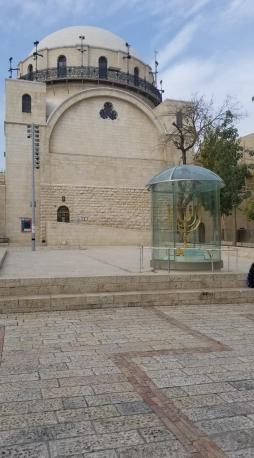

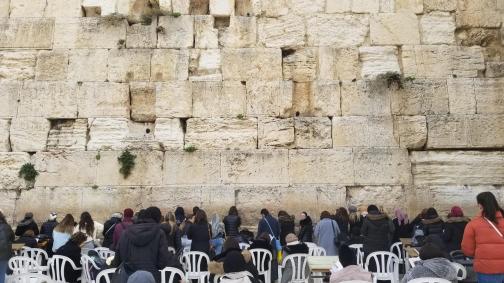
After the wall, we went to the Muslim Quarter and walked through the streets that have a bazaar style atmosphere to St. Anne’s Church which is reportedly the site where Mary was born.

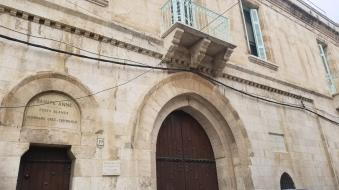 We then began the walk along the Via Dolorosa (the path Jesus walked to the crucifixion point). The first point on the path was the site where Pontus Pilot condemned Jesus. There are two churches on this site. They were both nice, but one had some very interesting 3-dimensional artwork as well as the original flooring.

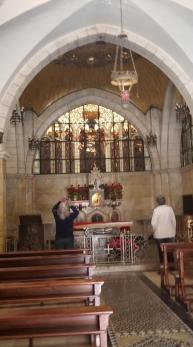
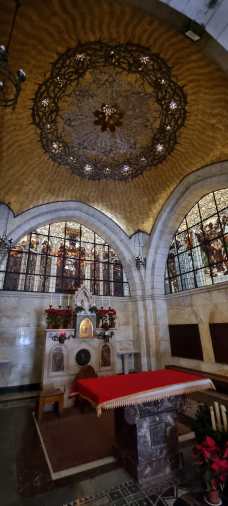


We continued the path past the Ecco Homo arch and the various spots where Jesus fell or was helped by others. Then, we arrived at the Church of the Holy Sepulchre.

We saw the spot marking where Jesus was undressed and the spot where he was crucified (there is an alter there, and you can get under it to touch the rock of the spot).


There was also the rock that is reportedly the one on which his body was laid and prepared for the tomb.


We saw the site of the tomb rock but there was a huge line to go in, so we didn’t do that.
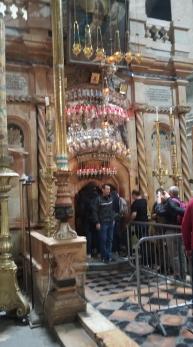
After walking back through the Muslim bazaar and to the Jaffa Gate, we got some lunch of falafel and shawarma wraps.


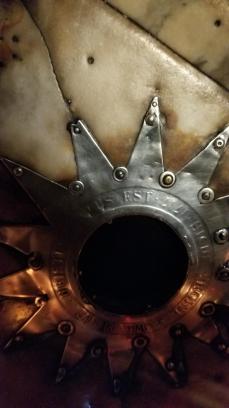
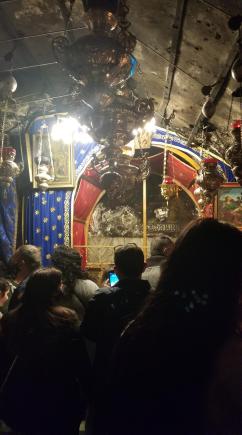
Our next stop was going to Bethlehem, but it is under Palestinian control so Israeli citizens can’t enter. As a result, we had to meet a driver outside the border line and be driven in to meet a Palestinian guide. The Church of the Nativity was chaos. You have to go down into a cave where you, again, can touch the rock of the site where Jesus was born. They also have a manger display set up in the cave. We had to wait in a line to be able to enter because different religious groups bless the cave multiple times each day, and no one can go in during the blessings. It was pretty packed in the cave, but we touched the rock and made our way back out.
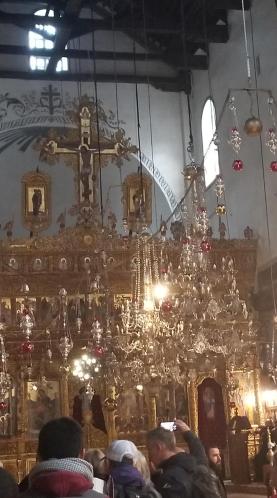

We went into a Catholic church on the site where we saw a statue monument to Mary, and then we stood in a courtyard where our guide said the Lord’s Prayer in Aramaic which was Jesus’s native language. That was kind of cool.


After this, we got transferred back to our Israeli guide across the Palestinian border and went to have a snack of Jerusalem bagel and sambusak (small breads stuffed with mushroom, potato or cheese-and, as I’m sure you guys could guess, we tried all three types!).


Later, we had freekeh risotto (this is a type of wheat) and sheikh al mahshi (zucchini stuffed with lamb). We tried Taybeh, a Palestinian beer, and had some babka, several types of rugelach and some jam cookies for dessert.


Day 5
Today began in a sobering way with a trip to the newer part of Jerusalem to the Yad Vashem, the Holocaust memorial. It was a very symbolic memorial with pathways lined with trees honoring those that helped people during the Holocaust. We went into the children’s memorial which was an interesting visual depiction of the children who died. We also went through the museum which had a lot of personal video testimonies and pictures. After a while, it just became too much, and you really felt like you couldn’t take in any more of the atrocities. One of the few places that we took any pictures there was in the building depicting the names of all of the concentration camps.
![IMG-20230102-WA0007[4156]](https://terisacunha.com/wp-content/uploads/2023/01/img-20230102-wa00074156.jpg?w=538&h=242)
After this stop, we went to Ein Karem, a small village in the city, where John the Baptist was born. We first saw the Church of the Visitation which is on the site where Mary visited Elizabeth when they were both pregnant.
![20230102_112025[4158]](https://terisacunha.com/wp-content/uploads/2023/01/20230102_1120254158.jpg?w=226&h=407)
Inside the church is a well said to be from the spring that erupted when the women greeted each other. There is also a rock in the church said to be the one that hid John the Baptist as a baby when Herod had all of the Jewish babies killed. Outside the church is a wall with the blessing that Mary gave Elizabeth in many languages.
![20230102_112433[4162]](https://terisacunha.com/wp-content/uploads/2023/01/20230102_1124334162.jpg?w=174&h=313)
![20230102_112311[4161]](https://i0.wp.com/terisacunha.com/wp-content/uploads/2023/01/20230102_1123114161.jpg?w=364&h=655&ssl=1 "20230102_112311[4161]")
![20230102_112404[4160]](https://i0.wp.com/terisacunha.com/wp-content/uploads/2023/01/20230102_1124044160.jpg?w=364&h=655&ssl=1 "20230102_112404[4160]")
![20230102_112525[4165]](https://terisacunha.com/wp-content/uploads/2023/01/20230102_1125254165.jpg?w=385&h=217)
After this, we went to the church on the site where Zechariah and Elizabeth’s home was and where John was said to be born. Here, you again could touch the stone of the birth site.
![20230102_113916[4163]](https://i0.wp.com/terisacunha.com/wp-content/uploads/2023/01/20230102_1139164163.jpg?w=173&h=312&ssl=1 "20230102_113916[4163]")
![20230102_114330[4164]](https://i0.wp.com/terisacunha.com/wp-content/uploads/2023/01/20230102_1143304164.jpg?w=555&h=312&ssl=1 "20230102_114330[4164]")
We drove through the city past the Parliament and the Supreme Court on our way to the Israeli Museum where we saw a really cool model depicting the layout of the entire city during about the 1st century.
![20230102_122106[4166]](https://i0.wp.com/terisacunha.com/wp-content/uploads/2023/01/20230102_1221064166.jpg?w=364&h=205&ssl=1 "20230102_122106[4166]")
![20230102_123338[4169]](https://i0.wp.com/terisacunha.com/wp-content/uploads/2023/01/20230102_1233384169.jpg?w=364&h=205&ssl=1 "20230102_123338[4169]")
![20230102_122835[4167]](https://i0.wp.com/terisacunha.com/wp-content/uploads/2023/01/20230102_1228354167.jpg?w=732&h=412&ssl=1 "20230102_122835[4167]")
![20230102_165913[4168]](https://i0.wp.com/terisacunha.com/wp-content/uploads/2023/01/20230102_1659134168.jpg?w=360&h=147&ssl=1 "20230102_165913[4168]")
![20230102_165636[4170]](https://i0.wp.com/terisacunha.com/wp-content/uploads/2023/01/20230102_1656364170.jpg?w=368&h=147&ssl=1 "20230102_165636[4170]")
Then we went into the Shrine of the Book (the Dead Sea Scrolls and the vessels they were found in are housed here).
![20230102_124729[4171]](https://i0.wp.com/terisacunha.com/wp-content/uploads/2023/01/20230102_1247294171.jpg?w=146&h=262&ssl=1 "20230102_124729[4171]")
![IMG-20230102-WA0006[4155]](https://i0.wp.com/terisacunha.com/wp-content/uploads/2023/01/img-20230102-wa00064155.jpg?w=582&h=262&ssl=1 "IMG-20230102-WA0006[4155]")
Next, we went to the Machne Yehuda market area. We stopped first for lunch at a very local restaurant (all Israelis inside). We had pitas with a selection of small salads, as they call them, which are really small dips and accoutrements. They included things like hummus, tahini, eggplant, tomato onion sauce, and pickles as well as small sauces. Some of us tried the mixed grill which is grilled meat but includes parts like heart and liver while others opted for the vegetarian version of mixed grill. Both were actually very good. They came with okra and mujaddara which is like lentils and rice with crispy onions on top. We washed it all down with some Israeli beer. It was really good!
![20230102_133736[4172]](https://i0.wp.com/terisacunha.com/wp-content/uploads/2023/01/20230102_1337364172.jpg?w=364&h=205&ssl=1 "20230102_133736[4172]")
![20230102_135221[4173]](https://i0.wp.com/terisacunha.com/wp-content/uploads/2023/01/20230102_1352214173.jpg?w=364&h=205&ssl=1 "20230102_135221[4173]")
![20230102_135225[4174]](https://i0.wp.com/terisacunha.com/wp-content/uploads/2023/01/20230102_1352254174.jpg?w=732&h=412&ssl=1 "20230102_135225[4174]")
After lunch, we walked through the market where they had tons of fruits, vegetables, spices, nuts, olives and baked goods.
![IMG-20230102-WA0005[4154]](https://terisacunha.com/wp-content/uploads/2023/01/img-20230102-wa00054154.jpg?w=261&h=580)
We stopped at a stand selling halva (candy made from sesame seeds). We saw the machine that presses the seeds to make the paste which is used for the candy. They had so many different flavors of halva, but we tried the lemon version.
![20230108_141116[4177]](https://terisacunha.com/wp-content/uploads/2023/01/20230108_1411164177.jpg?w=345&h=194)
We also stopped at a bakery and bought some fresh chocolate rugelach. It was so good!
![20230102_155703[4175]](https://terisacunha.com/wp-content/uploads/2023/01/20230102_1557034175-235089759-e1673549099368.jpg?w=358&h=199)
After the market, our guide took as to the new Mamilla shopping center for a look around, and then, we rested for a while before going to dinner. No one was too hungry, so we just had adas (red lentil soup) and some hummus with lamb on top with a local beer.
![20230102_192102[4176]](https://terisacunha.com/wp-content/uploads/2023/01/20230102_1921024176.jpg?w=319&h=574)
Day 6
Today, we moved on from Jerusalem and made our way south along the Dead Sea to Masada.
![20230103_090500[4249]](https://i0.wp.com/terisacunha.com/wp-content/uploads/2023/01/20230103_0905004249.jpg?w=364&h=205&ssl=1 "20230103_090500[4249]")
![20230103_084326[4254]](https://i0.wp.com/terisacunha.com/wp-content/uploads/2023/01/20230103_0843264254.jpg?w=364&h=205&ssl=1 "20230103_084326[4254]")
![20230103_082336[4253]](https://i0.wp.com/terisacunha.com/wp-content/uploads/2023/01/20230103_0823364253.jpg?w=364&h=205&ssl=1 "20230103_082336[4253]")
![20230103_084137[4255]](https://i0.wp.com/terisacunha.com/wp-content/uploads/2023/01/20230103_0841374255.jpg?w=364&h=205&ssl=1 "20230103_084137[4255]")
![20230103_083350[4252]](https://i0.wp.com/terisacunha.com/wp-content/uploads/2023/01/20230103_0833504252.jpg?w=732&h=412&ssl=1 "20230103_083350[4252]")
On the way, we stopped in a national park area and saw some ibex and hyrax (rock rabbit). As we continued the drive, we saw some really cool natural “rock” formations.
![IMG-20230103-WA0003[4251]](https://terisacunha.com/wp-content/uploads/2023/01/img-20230103-wa00034251.jpg?w=429&h=193)
![IMG-20230103-WA0002[4250]](https://terisacunha.com/wp-content/uploads/2023/01/img-20230103-wa00024250.jpg?w=431&h=194)
![20230103_091750[4257]](https://i0.wp.com/terisacunha.com/wp-content/uploads/2023/01/20230103_0917504257.jpg?w=364&h=205&ssl=1 "20230103_091750[4257]")
![20230103_091742[4256]](https://i0.wp.com/terisacunha.com/wp-content/uploads/2023/01/20230103_0917424256.jpg?w=364&h=205&ssl=1 "20230103_091742[4256]")
At Masada, we took the cable car up the mountain to the site of one of King Herod’s palaces and fortresses which was later used by the Zealots, the last Jewish stronghold against the Romans. At the site, we saw many old ritual baths, water cisterns, water diversion and collection methods, storage rooms, a dove cote and the bathhouse of the palace with its steam pipe system.
![20230103_100502[4258]](https://i0.wp.com/terisacunha.com/wp-content/uploads/2023/01/20230103_1005024258.jpg?w=364&h=205&ssl=1 "20230103_100502[4258]")
![20230103_101023[4259]](https://i0.wp.com/terisacunha.com/wp-content/uploads/2023/01/20230103_1010234259.jpg?w=364&h=205&ssl=1 "20230103_101023[4259]")
![20230103_103312[4263]](https://i0.wp.com/terisacunha.com/wp-content/uploads/2023/01/20230103_1033124263.jpg?w=364&h=205&ssl=1 "20230103_103312[4263]")
![20230103_103209[4265]](https://i0.wp.com/terisacunha.com/wp-content/uploads/2023/01/20230103_1032094265.jpg?w=364&h=205&ssl=1 "20230103_103209[4265]")
![20230103_104348[4268]](https://terisacunha.com/wp-content/uploads/2023/01/20230103_1043484268.jpg?w=178&h=321)
In addition, what may be the first ever synagogue from the 1st century is located on the site.
![20230103_102437[4264]](https://terisacunha.com/wp-content/uploads/2023/01/20230103_1024374264.jpg?w=503&h=283)
We watched a movie about the area, specifically about the period when the Zealots were under siege by the Romans for a three-year period before committing suicide. At the site, you can still see many of the boulders that the Romans shot at the Zealots, the ramp that they built to enter the city and the encampment areas and siege wall that they built.
![20230103_101709[4262]](https://i0.wp.com/terisacunha.com/wp-content/uploads/2023/01/20230103_1017094262.jpg?w=364&h=205&ssl=1 "20230103_101709[4262]")
![20230103_101547[4261]](https://i0.wp.com/terisacunha.com/wp-content/uploads/2023/01/20230103_1015474261.jpg?w=364&h=205&ssl=1 "20230103_101547[4261]")
![20230103_103828[4267]](https://i0.wp.com/terisacunha.com/wp-content/uploads/2023/01/20230103_1038284267.jpg?w=364&h=205&ssl=1 "20230103_103828[4267]")
![20230103_102121[4260]](https://i0.wp.com/terisacunha.com/wp-content/uploads/2023/01/20230103_1021214260.jpg?w=364&h=205&ssl=1 "20230103_102121[4260]")
![20230103_105319[4269]](https://i0.wp.com/terisacunha.com/wp-content/uploads/2023/01/20230103_1053194269.jpg?w=732&h=412&ssl=1 "20230103_105319[4269]")
After leaving the area, we began making our way north through part of the West Bank where the land became less arid and more fertile.
![20230103_141158[4272]](https://terisacunha.com/wp-content/uploads/2023/01/20230103_1411584272.jpg?w=471&h=265)
Upon crossing back into Israel, we stopped in a small town for a lunch of falafel wraps made with laffa bread and some really delicious fried eggplant.
![20230103_132537[4271]](https://terisacunha.com/wp-content/uploads/2023/01/20230103_1325374271.jpg?w=394&h=222)
![20230103_132507[4270]](https://terisacunha.com/wp-content/uploads/2023/01/20230103_1325074270.jpg?w=451&h=254)
We stopped at a Kibbutz to see an ancient synagogue with a mosaic floor and watched a movie about its construction.
![20230103_142525[4273]](https://terisacunha.com/wp-content/uploads/2023/01/20230103_1425254273.jpg?w=400&h=225)
Then we went to another Kibbutz that had a store selling all kinds of dates and date products which was interesting.
From here, we drove the rest of the way to the Sea of Galilee where we could see the Golan Heights mountains with the Syrian and Lebanese borders just beyond them. We drove a bit through Tiberias and saw some of the town’s ancient ruins before checking into our hotel.
For our dinner, we walked to a restaurant where we had the salads again, this time with both regular and garlic pita breads. We tried some local beer and ate way too much! It was pouring rain when we left, so we got a bit wet.
![20230103_180516[4274]](https://i0.wp.com/terisacunha.com/wp-content/uploads/2023/01/20230103_1805164274.jpg?w=126&h=227&ssl=1 "20230103_180516[4274]")
![20230103_210027[4275]](https://i0.wp.com/terisacunha.com/wp-content/uploads/2023/01/20230103_2100274275.jpg?w=602&h=227&ssl=1 "20230103_210027[4275]")
Day 7
We began the day by going to a Kibbutz where they discovered a 2,000-year-old fisherman boat. They had a very interesting movie about how they removed it from the mud and information on the restoration process.
![20230104_092915[4214]](https://i0.wp.com/terisacunha.com/wp-content/uploads/2023/01/20230104_0929154214.jpg?w=173&h=312&ssl=1 "20230104_092915[4214]")
![20230104_092845[4213]](https://i0.wp.com/terisacunha.com/wp-content/uploads/2023/01/20230104_0928454213.jpg?w=555&h=312&ssl=1 "20230104_092845[4213]")
After viewing the boat, we took a boat ride on the Sea of Galilee (again it’s just a very large lake). From the boat, we got a view of the path through the mountains that Jesus would have taken from Nazareth, the area where Mary Magdalene was from and where she began following Jesus, where Jesus walked on water, where he lived with Peter in Capernaum as well as the sites of the Sermon on the Mount and the multiplication of the fishes and loaves.
![20230104_095002[4216]](https://i0.wp.com/terisacunha.com/wp-content/uploads/2023/01/20230104_0950024216.jpg?w=364&h=205&ssl=1 "20230104_095002[4216]")
![20230104_093600[4215]](https://i0.wp.com/terisacunha.com/wp-content/uploads/2023/01/20230104_0936004215.jpg?w=364&h=205&ssl=1 "20230104_093600[4215]")
![20230104_101300[4217]](https://i0.wp.com/terisacunha.com/wp-content/uploads/2023/01/20230104_1013004217.jpg?w=364&h=205&ssl=1 "20230104_101300[4217]")
![20230104_101652[4219]](https://i0.wp.com/terisacunha.com/wp-content/uploads/2023/01/20230104_1016524219.jpg?w=364&h=205&ssl=1 "20230104_101652[4219]")
![20230104_102631[4218]](https://i0.wp.com/terisacunha.com/wp-content/uploads/2023/01/20230104_1026314218.jpg?w=364&h=205&ssl=1 "20230104_102631[4218]")
![20230104_102636[4220]](https://i0.wp.com/terisacunha.com/wp-content/uploads/2023/01/20230104_1026364220.jpg?w=364&h=205&ssl=1 "20230104_102636[4220]")
![20230104_110138[4221]](https://i0.wp.com/terisacunha.com/wp-content/uploads/2023/01/20230104_1101384221.jpg?w=364&h=205&ssl=1 "20230104_110138[4221]")
![20230104_110923[4222]](https://i0.wp.com/terisacunha.com/wp-content/uploads/2023/01/20230104_1109234222.jpg?w=364&h=205&ssl=1 "20230104_110923[4222]")
After the boat ride, we went to the Church of the Beatitudes (Sermon on the Mount). It was a small and simple church with all the beatitudes displayed around it.
![IMG-20230104-WA0006[4210]](https://i0.wp.com/terisacunha.com/wp-content/uploads/2023/01/img-20230104-wa00064210.jpg?w=364&h=164&ssl=1 "IMG-20230104-WA0006[4210]")
![IMG-20230104-WA0011[4208]](https://i0.wp.com/terisacunha.com/wp-content/uploads/2023/01/img-20230104-wa00114208.jpg?w=364&h=164&ssl=1 "IMG-20230104-WA0011[4208]")
![20230104_111157[4223]](https://terisacunha.com/wp-content/uploads/2023/01/20230104_1111574223.jpg?w=275&h=495)
![20230104_111501[4224]](https://terisacunha.com/wp-content/uploads/2023/01/20230104_1115014224.jpg?w=385&h=693)
![20230104_111535[4225]](https://terisacunha.com/wp-content/uploads/2023/01/20230104_1115354225.jpg?w=390&h=702)
Then, we drove up the mountains to Safed which is where the Kabbalah movement was started.
![20230104_121044[4226]](https://terisacunha.com/wp-content/uploads/2023/01/20230104_1210444226.jpg?w=220&h=396)
We visited a 2nd century synagogue there that had a really beautiful and colorful ark. We also saw the chair that they use for circumcision ceremonies. ![20230104_122355[4229]](https://terisacunha.com/wp-content/uploads/2023/01/20230104_1223554229.jpg?w=278&h=500)
![20230104_121917[4227]](https://terisacunha.com/wp-content/uploads/2023/01/20230104_1219174227.jpg?w=374&h=673)
![20230104_121941[4228]](https://terisacunha.com/wp-content/uploads/2023/01/20230104_1219414228.jpg?w=325&h=585)
![20230104_122012[4231]](https://terisacunha.com/wp-content/uploads/2023/01/20230104_1220124231.jpg?w=313&h=564)
We walked through an artist corridor that had some really cool art pieces. We learned some interesting things from our guide about the typical Jewish items used in the home, and we visited a candle shop making some very elaborate candles and candle displays.
![20230104_122820[4230]](https://terisacunha.com/wp-content/uploads/2023/01/20230104_1228204230.jpg?w=305&h=549)
![IMG-20230104-WA0008[4206]](https://terisacunha.com/wp-content/uploads/2023/01/img-20230104-wa00084206.jpg?w=176&h=313)
Then, we went to a shop where weavers were making customized prayer blankets among other things.
Right outside this shop, there was a 100-year-old fig tree.
![IMG-20230104-WA0009[4207]](https://terisacunha.com/wp-content/uploads/2023/01/img-20230104-wa00094207.jpg?w=235&h=522)
After leaving Safed, we had a quick lunch of sabich sandwich (eggplant and egg) and Israeli salad.
![20230104_133222[4233]](https://terisacunha.com/wp-content/uploads/2023/01/20230104_1332224233.jpg?w=417&h=235)
We visited the Church of the Multiplication which had some nice original mosaic floors.
![20230104_142233[4237]](https://terisacunha.com/wp-content/uploads/2023/01/20230104_1422334237.jpg?w=460&h=259)
![20230104_142301[4236]](https://terisacunha.com/wp-content/uploads/2023/01/20230104_1423014236.jpg?w=208&h=374)
![20230104_142438[4239]](https://i0.wp.com/terisacunha.com/wp-content/uploads/2023/01/20230104_1424384239.jpg?w=364&h=205&ssl=1 "20230104_142438[4239]")
![20230104_142506[4238]](https://i0.wp.com/terisacunha.com/wp-content/uploads/2023/01/20230104_1425064238.jpg?w=364&h=205&ssl=1 "20230104_142506[4238]")
![20230104_142613[4240]](https://i0.wp.com/terisacunha.com/wp-content/uploads/2023/01/20230104_1426134240.jpg?w=732&h=412&ssl=1 "20230104_142613[4240]")
Then it was on to Capernaum where we saw the ruins of the town including Peter’s house which is where Jesus likely lived and an old synagogue.
![20230104_144106[4241]](https://i0.wp.com/terisacunha.com/wp-content/uploads/2023/01/20230104_1441064241.jpg?w=364&h=205&ssl=1 "20230104_144106[4241]")
![20230104_144323[4242]](https://i0.wp.com/terisacunha.com/wp-content/uploads/2023/01/20230104_1443234242.jpg?w=364&h=205&ssl=1 "20230104_144323[4242]")
![20230104_144658[4243]](https://i0.wp.com/terisacunha.com/wp-content/uploads/2023/01/20230104_1446584243.jpg?w=732&h=412&ssl=1 "20230104_144658[4243]")
Our final stop of the day was the Golan Heights Winery where we took a small tour and tasted three of the wines.
![IMG-20230104-WA0010[4209]](https://terisacunha.com/wp-content/uploads/2023/01/img-20230104-wa00104209.jpg?w=442&h=199)
In the evening, we sat outside on the Sea of Galilee for some dinner. We had the hummus, tahini and tabbouleh with both pita and garlic pita. We also tried the anise flavored aperitif Arak which I really liked. Our main courses were a grilled eggplant and the St. Peter’s fish (whole tilapia) with some Goldstar beer. For dessert, we had malabi (a kind of custard with rose water on top) and something they called Switzerland. Both were really good.
![20230104_191335[4244]](https://i0.wp.com/terisacunha.com/wp-content/uploads/2023/01/20230104_1913354244.jpg?w=173&h=312&ssl=1 "20230104_191335[4244]")
![20230104_191550[4245]](https://i0.wp.com/terisacunha.com/wp-content/uploads/2023/01/20230104_1915504245.jpg?w=555&h=312&ssl=1 "20230104_191550[4245]")
![20230104_193232[4247]](https://terisacunha.com/wp-content/uploads/2023/01/20230104_1932324247-4023158819-e1673551672114.jpg?w=263&h=146)
![20230104_201146[4246]](https://terisacunha.com/wp-content/uploads/2023/01/20230104_2011464246.jpg?w=269&h=151)
Day 8
Today at breakfast, we had labneh balls (cheese spread), potato bourkas and some cheese.
![20230105_074203[4368]](https://terisacunha.com/wp-content/uploads/2023/01/20230105_0742034368.jpg?w=179&h=322)
After leaving the Sea of Galilee area, we drove through Cana where Jesus turned the water to wine on our way to Nazareth.
![20230105_083147[4369]](https://terisacunha.com/wp-content/uploads/2023/01/20230105_0831474369.jpg?w=391&h=220)
In Nazareth, we went to the Church of the Annunciation which was quite an unusual church on the site where Gabriel visited Mary.
![20230105_092544[4370]](https://terisacunha.com/wp-content/uploads/2023/01/20230105_0925444370.jpg?w=349&h=628)
![20230105_092814[4371]](https://terisacunha.com/wp-content/uploads/2023/01/20230105_0928144371.jpg?w=426&h=240)
![20230105_092927[4373]](https://terisacunha.com/wp-content/uploads/2023/01/20230105_0929274373.jpg?w=237&h=426)
The lower level of the church was quite barren with the ancient site.
![20230105_093113[4372]](https://i0.wp.com/terisacunha.com/wp-content/uploads/2023/01/20230105_0931134372.jpg?w=555&h=312&ssl=1 "20230105_093113[4372]")
![20230105_093332[4374]](https://i0.wp.com/terisacunha.com/wp-content/uploads/2023/01/20230105_0933324374.jpg?w=173&h=312&ssl=1 "20230105_093332[4374]")
The upper level featured a lot of mosaics donated from countries all over the world.
![20230105_093821[4375]](https://terisacunha.com/wp-content/uploads/2023/01/20230105_0938214375.jpg?w=294&h=529)
![20230105_094129[4376]](https://terisacunha.com/wp-content/uploads/2023/01/20230105_0941294376.jpg?w=289&h=520)
![IMG-20230105-WA0003[4361]](https://terisacunha.com/wp-content/uploads/2023/01/img-20230105-wa00034361.jpg?w=496&h=223)
Also within the church site is a smaller church built on what is believed to be the remains of Joseph’s house and workshop in Nazareth.
![20230105_094659[4379]](https://terisacunha.com/wp-content/uploads/2023/01/20230105_0946594379.jpg?w=488&h=275)
![20230105_094740[4377]](https://terisacunha.com/wp-content/uploads/2023/01/20230105_0947404377.jpg?w=269&h=484)
The remains of the old city of Nazareth were visible as well.
![20230105_095218[4382]](https://terisacunha.com/wp-content/uploads/2023/01/20230105_0952184382.jpg?w=483&h=272)
On the way back to the car, we stopped in a spice shop where they were selling tons of spices and candies. They had several old grinding machines as well.
![IMG-20230105-WA0007[4365]](https://i0.wp.com/terisacunha.com/wp-content/uploads/2023/01/img-20230105-wa00074365.jpg?w=404&h=182&ssl=1 "IMG-20230105-WA0007[4365]")
![20230105_100122[4380]](https://i0.wp.com/terisacunha.com/wp-content/uploads/2023/01/20230105_1001224380.jpg?w=324&h=182&ssl=1 "20230105_100122[4380]")
From here, we traveled north to Akko and walked to the old Crusader city. We watched a short film about the area before heading underground (the current city is built on top of the old crusader city). We walked through a tunnel that used to run from the city to the port and several other buildings in the ancient city such as the hospital.
![20230105_115300[4387]](https://i0.wp.com/terisacunha.com/wp-content/uploads/2023/01/20230105_1153004387.jpg?w=440&h=791&ssl=1 "20230105_115300[4387]")
![20230105_114839[4385]](https://i0.wp.com/terisacunha.com/wp-content/uploads/2023/01/20230105_1148394385.jpg?w=440&h=247&ssl=1 "20230105_114839[4385]")
![20230105_114844[4386]](https://i0.wp.com/terisacunha.com/wp-content/uploads/2023/01/20230105_1148444386.jpg?w=288&h=519&ssl=1 "20230105_114844[4386]")
![20230105_113842[4383]](https://i0.wp.com/terisacunha.com/wp-content/uploads/2023/01/20230105_1138424383.jpg?w=288&h=519&ssl=1 "20230105_113842[4383]")
On the upper level, we saw some of the old city walls and an old jail from before Israeli independence (under British rule it was the site of the imprisonment and hanging of several Jewish underground fighters).
![IMG-20230105-WA0005[4363]](https://i0.wp.com/terisacunha.com/wp-content/uploads/2023/01/img-20230105-wa00054363.jpg?w=404&h=182&ssl=1 "IMG-20230105-WA0005[4363]")
![20230105_114803[4384]](https://i0.wp.com/terisacunha.com/wp-content/uploads/2023/01/20230105_1148034384.jpg?w=324&h=182&ssl=1 "20230105_114803[4384]")
![IMG-20230105-WA0009[4367]](https://terisacunha.com/wp-content/uploads/2023/01/img-20230105-wa00094367.jpg?w=322&h=715)
We made our way down to the port area and through the market bazaar.
![IMG-20230105-WA0002[4360]](https://terisacunha.com/wp-content/uploads/2023/01/img-20230105-wa00024360.jpg?w=358&h=161)
We stopped in an area that used to be a Turkish Ottoman market with each door to the current shops being the former market stall doors.
![20230105_132101[4389]](https://terisacunha.com/wp-content/uploads/2023/01/20230105_1321014389.jpg?w=270&h=486)
We ate in a restaurant in one of the stalls where we had hummus with mushrooms and hummus with shawarma as well as falafel and pickled eggplant. At the end of the meal, they gave us some Arabic coffee.
![20230105_124140[4388]](https://terisacunha.com/wp-content/uploads/2023/01/20230105_1241404388.jpg?w=217&h=390)
From here, we drove along the Mediterranean Sea to Caesarea which was built by King Herod. We were able to see the Roman amphitheater, hippodrome, city ruins, pieces of columns and sarcophagi. We also saw the site of Herod’s palace which had a large pool right on the sea. We watched a nice movie about Herod and the building of Caesarea. On our way out of the city, we stopped by a very large aqueduct.
![20230105_144933[4390]](https://i0.wp.com/terisacunha.com/wp-content/uploads/2023/01/20230105_1449334390.jpg?w=324&h=182&ssl=1 "20230105_144933[4390]")
![IMG-20230105-WA0004[4362]](https://i0.wp.com/terisacunha.com/wp-content/uploads/2023/01/img-20230105-wa00044362.jpg?w=404&h=182&ssl=1 "IMG-20230105-WA0004[4362]")
![IMG-20230105-WA0006[4364]](https://i0.wp.com/terisacunha.com/wp-content/uploads/2023/01/img-20230105-wa00064364.jpg?w=732&h=329&ssl=1 "IMG-20230105-WA0006[4364]")
![IMG-20230105-WA0008[4366]](https://i0.wp.com/terisacunha.com/wp-content/uploads/2023/01/img-20230105-wa00084366.jpg?w=476&h=214&ssl=1 "IMG-20230105-WA0008[4366]")
![20230108_130330[4391]](https://i0.wp.com/terisacunha.com/wp-content/uploads/2023/01/20230108_1303304391.jpg?w=252&h=214&ssl=1 "20230108_130330[4391]")
Finally, we completed our drive to Tel Aviv and checked into our hotel where we enjoyed the happy hour which featured bageleh (kind of like a pretzel) and stuffed grape leaves.
![20230105_172713[4393]](https://terisacunha.com/wp-content/uploads/2023/01/20230105_1727134393.jpg?w=248&h=140)
After a while, we walked along the coast to the port of Tel Aviv where there are many shops and restaurants. We took some time to look around and to have a dinner of mujaddara (rice and lentils with onions on top) and sahlab which is hot milk sprinkled with orchid flower powder causing it to make a pudding like drink. It was pretty good.
![20230105_194048[4395]](https://terisacunha.com/wp-content/uploads/2023/01/20230105_1940484395.jpg?w=255&h=459)
![20230105_193448[4394]](https://terisacunha.com/wp-content/uploads/2023/01/20230105_1934484394.jpg?w=231&h=416)
Day 9
We started our day with a nice breakfast, the highlight of which was some really delicious babka bread.
![20230106_081426[4420]](https://terisacunha.com/wp-content/uploads/2023/01/20230106_0814264420-1.jpg?w=167&h=300)
We walked along the sea to the Carmel Market which had some nice vendors. We bought some fresh squeezed pomegranate juice.
![20230106_100102[4421]](https://terisacunha.com/wp-content/uploads/2023/01/20230106_1001024421.jpg?w=136&h=245)
We walked to Jaffa where we saw the clock tower and other old buildings. We also saw the old port and old Jaffa which is where the story of Jonah and the whale occurred. We walked through a few of the streets of the Jaffa flea market and to St. Peter’s Church.
![IMG-20230106-WA0001[4417]](https://terisacunha.com/wp-content/uploads/2023/01/img-20230106-wa00014417.jpg?w=444&h=200)
![20230106_112825[4426]](https://i0.wp.com/terisacunha.com/wp-content/uploads/2023/01/20230106_1128254426.jpg?w=355&h=638&ssl=1 "20230106_112825[4426]")
![20230106_111721[4424]](https://i0.wp.com/terisacunha.com/wp-content/uploads/2023/01/20230106_1117214424.jpg?w=373&h=210&ssl=1 "20230106_111721[4424]")
![20230106_103645[4423]](https://i0.wp.com/terisacunha.com/wp-content/uploads/2023/01/20230106_1036454423.jpg?w=373&h=210&ssl=1 "20230106_103645[4423]")
![20230106_102748[4422]](https://i0.wp.com/terisacunha.com/wp-content/uploads/2023/01/20230106_1027484422.jpg?w=373&h=210&ssl=1 "20230106_102748[4422]")
![20230106_120549[4429]](https://i0.wp.com/terisacunha.com/wp-content/uploads/2023/01/20230106_1205494429.jpg?w=732&h=412&ssl=1 "20230106_120549[4429]")
![IMG-20230106-WA0004[4418]](https://terisacunha.com/wp-content/uploads/2023/01/img-20230106-wa00044418.jpg?w=181&h=402)
![20230106_114616[4428]](https://terisacunha.com/wp-content/uploads/2023/01/20230106_1146164428.jpg?w=207&h=373)
We also saw an open square with a cute fountain that was built on the site of an old well.
![20230106_112201[4425]](https://terisacunha.com/wp-content/uploads/2023/01/20230106_1122014425.jpg?w=432&h=243)
After wandering through some streets of the old area, we grabbed a snack of sambusak from a bakery. We got one potato and one cheese.
![20230106_120543[4427]](https://terisacunha.com/wp-content/uploads/2023/01/20230106_1205434427.jpg?w=322&h=181)
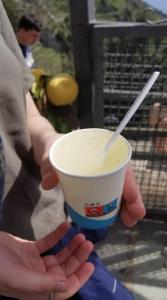
With our energy renewed, we walked to an old train depot that had been converted to a shopping space and into the shopping area of Neve Tzedeck. We made our way back to the coastline to grab some lunch. We had mushroom hummus, falafel and lemon mint slushies with some Maccabi and unfiltered Goldstar beer. It was great until a downpour sent us inside at the end of the meal.
![20230106_140423[4430]](https://terisacunha.com/wp-content/uploads/2023/01/20230106_1404234430.jpg?w=417&h=235)
![20230106_142006[4431]](https://terisacunha.com/wp-content/uploads/2023/01/20230106_1420064431.jpg?w=369&h=664) After the rain stopped, we walked back to our hotel along the coast. It wasn’t long before the rain started again, so we decided to order our dinner in. We bought something called jachnun which is a dense bread rolled up and served with a hard-boiled egg. Apparently, it was introduced by Jewish Yemenites. It was not bad but was a little greasy and heavy.
After the rain stopped, we walked back to our hotel along the coast. It wasn’t long before the rain started again, so we decided to order our dinner in. We bought something called jachnun which is a dense bread rolled up and served with a hard-boiled egg. Apparently, it was introduced by Jewish Yemenites. It was not bad but was a little greasy and heavy.
![20230106_193443[4432]](https://i0.wp.com/terisacunha.com/wp-content/uploads/2023/01/20230106_1934434432.jpg?w=364&h=655&ssl=1 "20230106_193443[4432]")
![20230106_194825[4433]](https://i0.wp.com/terisacunha.com/wp-content/uploads/2023/01/20230106_1948254433.jpg?w=364&h=655&ssl=1 "20230106_194825[4433]")
Day 10
For our last day, we grabbed some breakfast where we ate a few last olives and dates and tried one thing we hadn’t yet-kugel: basically, layered noodles with cottage cheese filling. After breakfast, the weather was perfect, so we went to the beach for a while. It was really nice to just sit and enjoy the weather as we knew we would be returning to cloudy skies at home!
![20230107_111122[4436]](https://i0.wp.com/terisacunha.com/wp-content/uploads/2023/01/20230107_1111224436.jpg?w=364&h=205&ssl=1 "20230107_111122[4436]")
![20230107_114620[4435]](https://i0.wp.com/terisacunha.com/wp-content/uploads/2023/01/20230107_1146204435.jpg?w=364&h=205&ssl=1 "20230107_114620[4435]")
![20230107_135347[4441]](https://i0.wp.com/terisacunha.com/wp-content/uploads/2023/01/20230107_1353474441.jpg?w=324&h=182&ssl=1 "20230107_135347[4441]")
![IMG-20230106-WA0006[4419]](https://i0.wp.com/terisacunha.com/wp-content/uploads/2023/01/img-20230106-wa00064419.jpg?w=404&h=182&ssl=1 "IMG-20230106-WA0006[4419]")
We found a small place for lunch where we got falafel, shawarma, kubbeh and salad Fairuz (tomato and cucumbers on a bed of rice, lentils and onions). We had a final beer and finished with a malabi (the custard with rose water dessert).
![20230107_125648[4437]](https://i0.wp.com/terisacunha.com/wp-content/uploads/2023/01/20230107_1256484437.jpg?w=364&h=205&ssl=1 "20230107_125648[4437]")
![20230107_130513[4438]](https://i0.wp.com/terisacunha.com/wp-content/uploads/2023/01/20230107_1305134438.jpg?w=364&h=205&ssl=1 "20230107_130513[4438]")
![20230107_132413[4440]](https://terisacunha.com/wp-content/uploads/2023/01/20230107_1324134440.jpg?w=175&h=315)
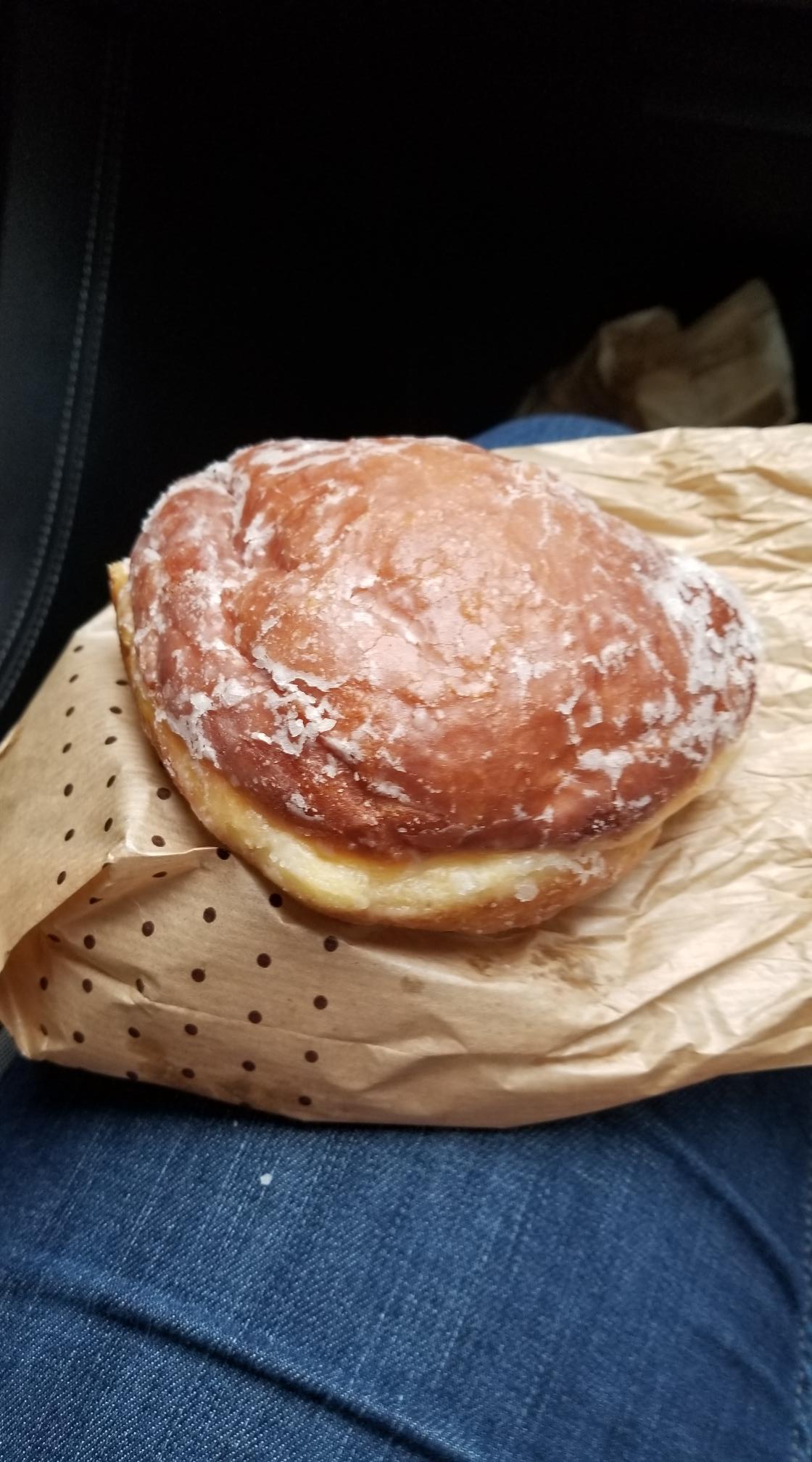
There was a bakery on our way back to the main road, and they were selling sufganiyot (a jelly filled donut that we thought we could only find at Hannukah time), so, of course, we got one to try. It was pretty much just a jelly donut but not as heavy and sugary.
![20230107_133916[4439]](https://terisacunha.com/wp-content/uploads/2023/01/20230107_1339164439.jpg?w=180&h=324)
We walked along the beach promenade to a small shop specializing in kanfeh. We had tried a version in Jordan, but this was quite different. In Jordan, the dessert had a cream style filling; here it was cheese. We got to watch it being made which was interesting, and it was good-not too sweet but not just savory.
![20230107_141749[4442]](https://i0.wp.com/terisacunha.com/wp-content/uploads/2023/01/20230107_1417494442.jpg?w=364&h=655&ssl=1 "20230107_141749[4442]")
![20230107_141905[4443]](https://i0.wp.com/terisacunha.com/wp-content/uploads/2023/01/20230107_1419054443.jpg?w=364&h=655&ssl=1 "20230107_141905[4443]")
With that, our time in Israel was basically done. We took a stroll back along the coast trying to soak in the sun before making our way to the airport and flying back home.
Overall, we had a wonderful time in both Jordan and Israel. It was really interesting and eye opening to see a place with so much history and such a convergence of religious beliefs. Likewise, to get an inside perspective on the very complex situation surrounding these areas and their interactions with one another was enlightening. But as our Palestinian guide said, it is not like the media portrays-everything was peaceful and felt completely safe. For anyone that has the interest and means to take a trip there, we would definitely recommend it. Another amazing experience in the books! Thanks for coming along and bye bye for now. We’ll see you on our next adventure!








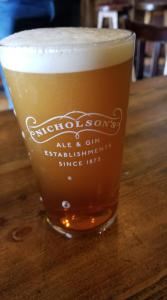

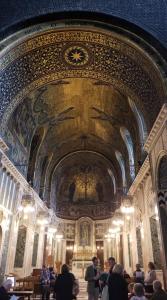
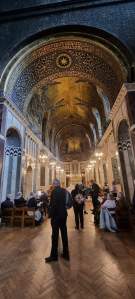


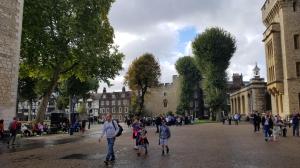
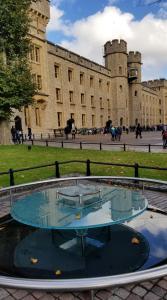


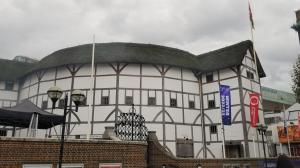

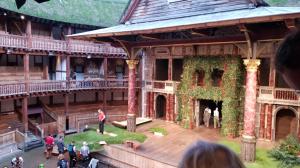
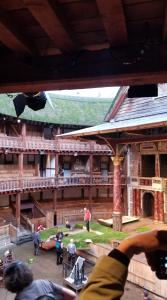


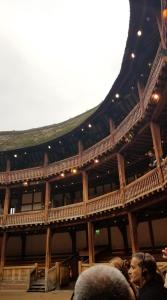
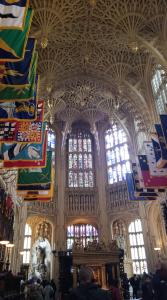


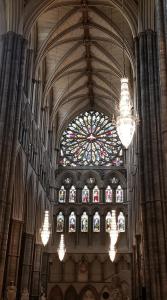










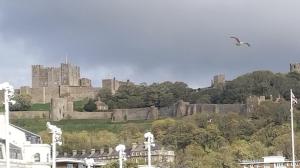
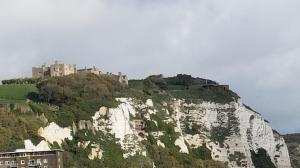
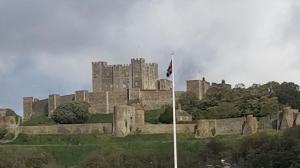

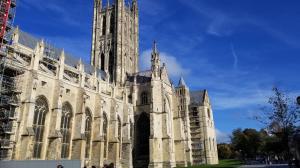
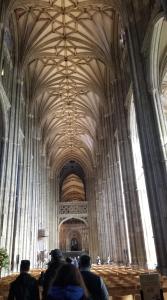

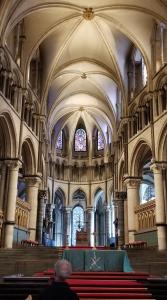
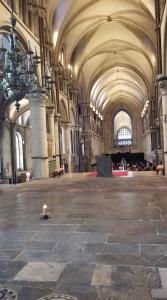


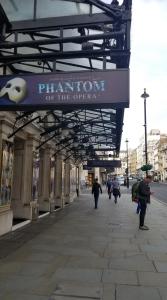


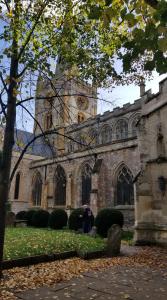

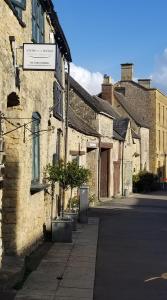

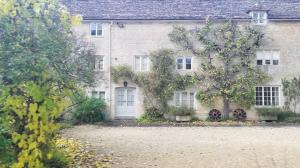



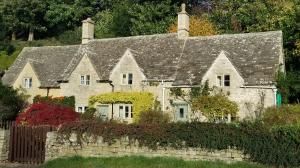


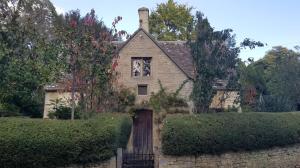
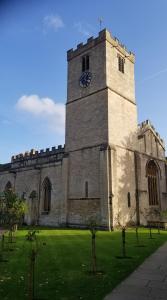

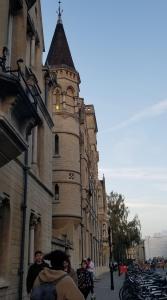
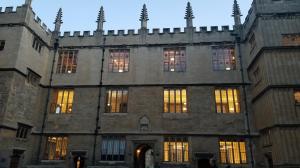
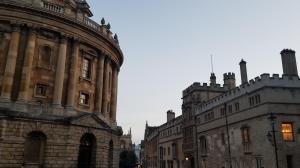
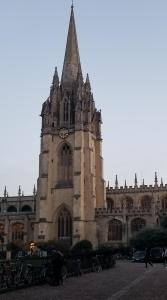
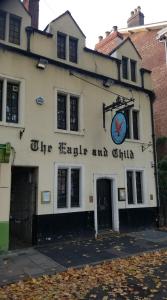 The tour of Oxford included several of the colleges and the library as well as the site of one of Bloody Mary’s executions.























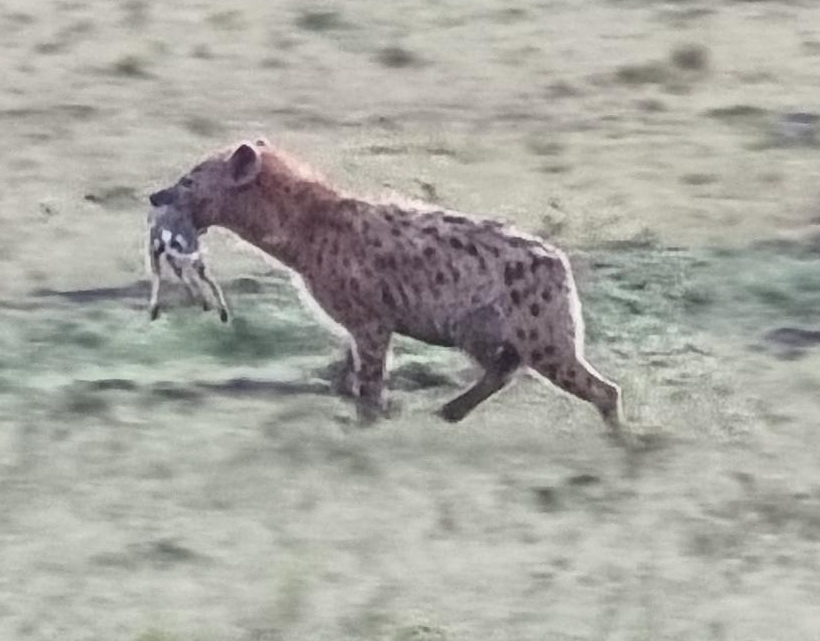
 Hippos also apparently use their tail like a fan while they are defecating which causes it to spray everywhere. We saw one hippo doing this while another was right behind it with its mouth open.