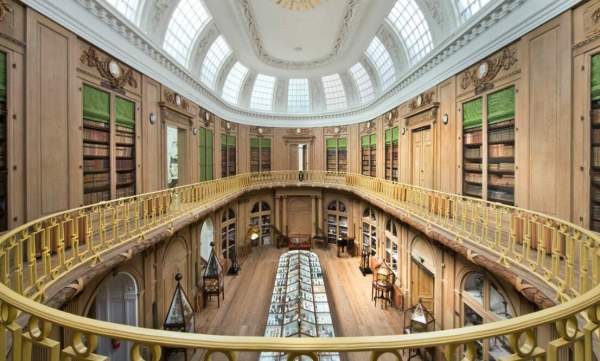
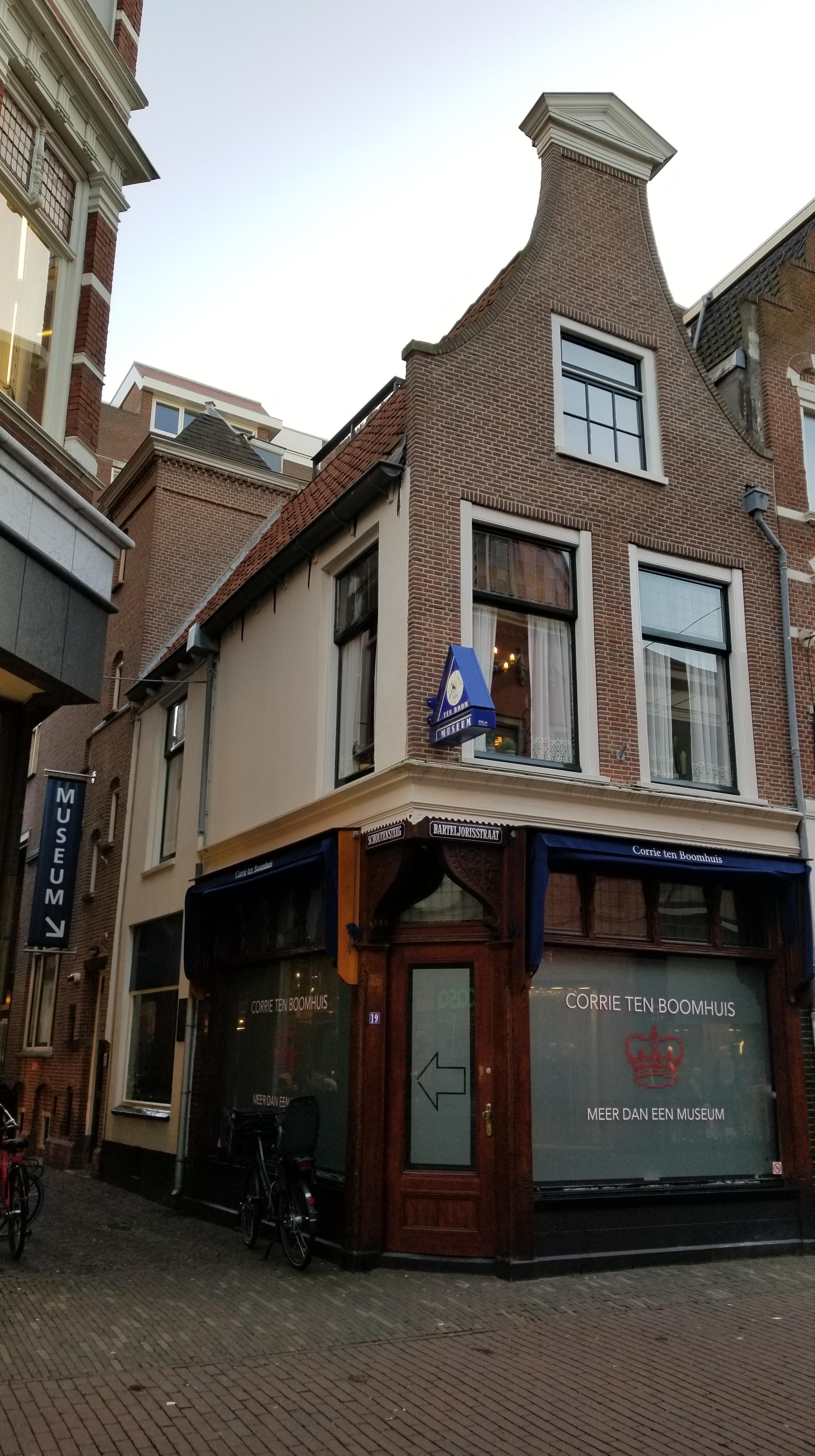
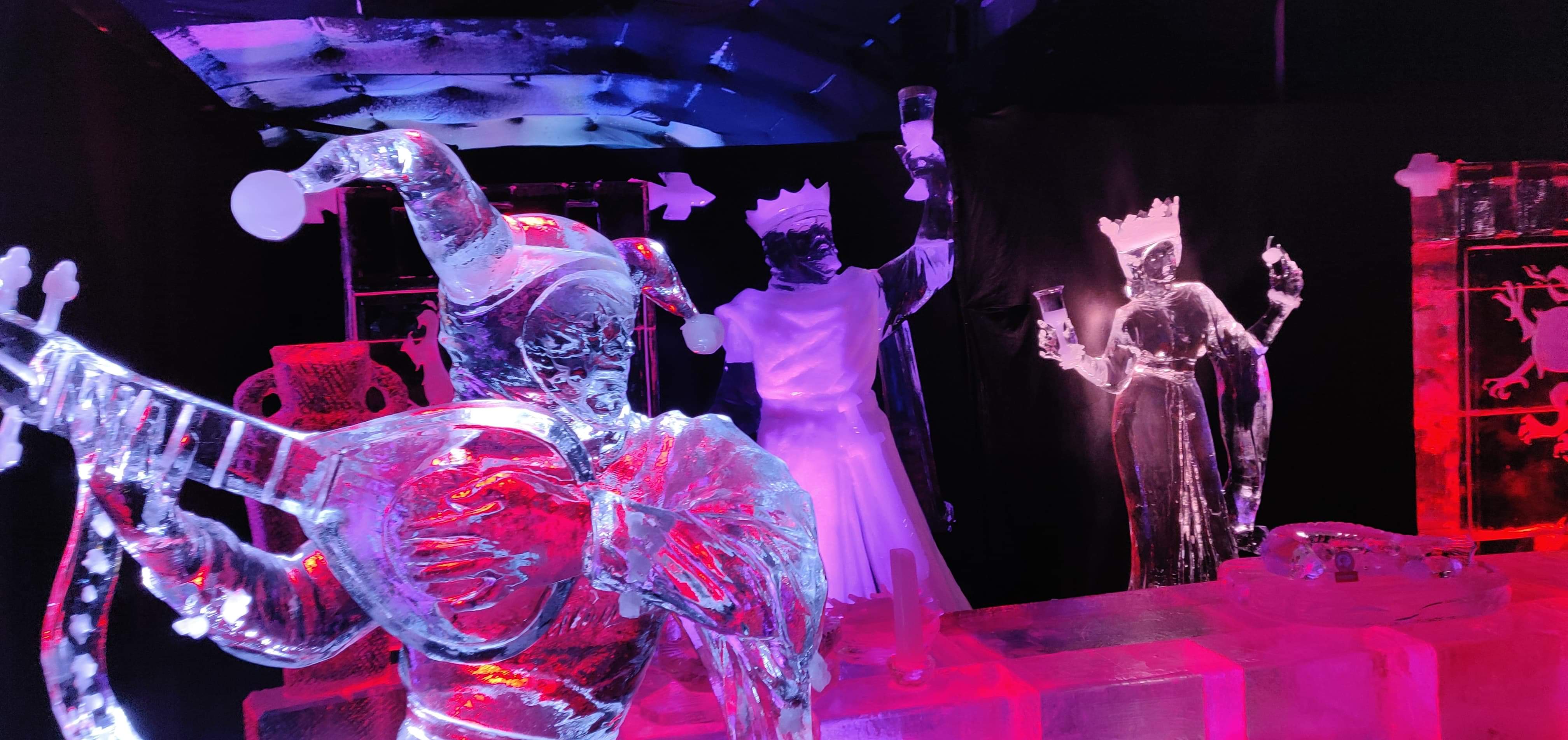
In the past month, we have visited ten top-rated museums in The Netherlands. Museums are a big deal here and they can range from cultured and historical to bizarre and whimsical with a lot of areas in between.
On the cultured and historical end of the spectrum, our most recent museum visits include:
The Rembrandt Huis Museum which is the house Rembrandt lived in filled with information about his life, descriptions of how his artistic materials were made and where they came from and many of his paintings and etchings. I was quite impressed with his etchings as many of them are very small with a lot of detail which must have been quite a lot of work to produce.

The Grachtenmuseum (Canal Museum) which is supposed to be about the canals in Amsterdam but is really a bit more history of Amsterdam and how the canals factored into that. The information was presented in fun and unusual ways, though, which made it a nice experience especially since it was less than one hour to view.
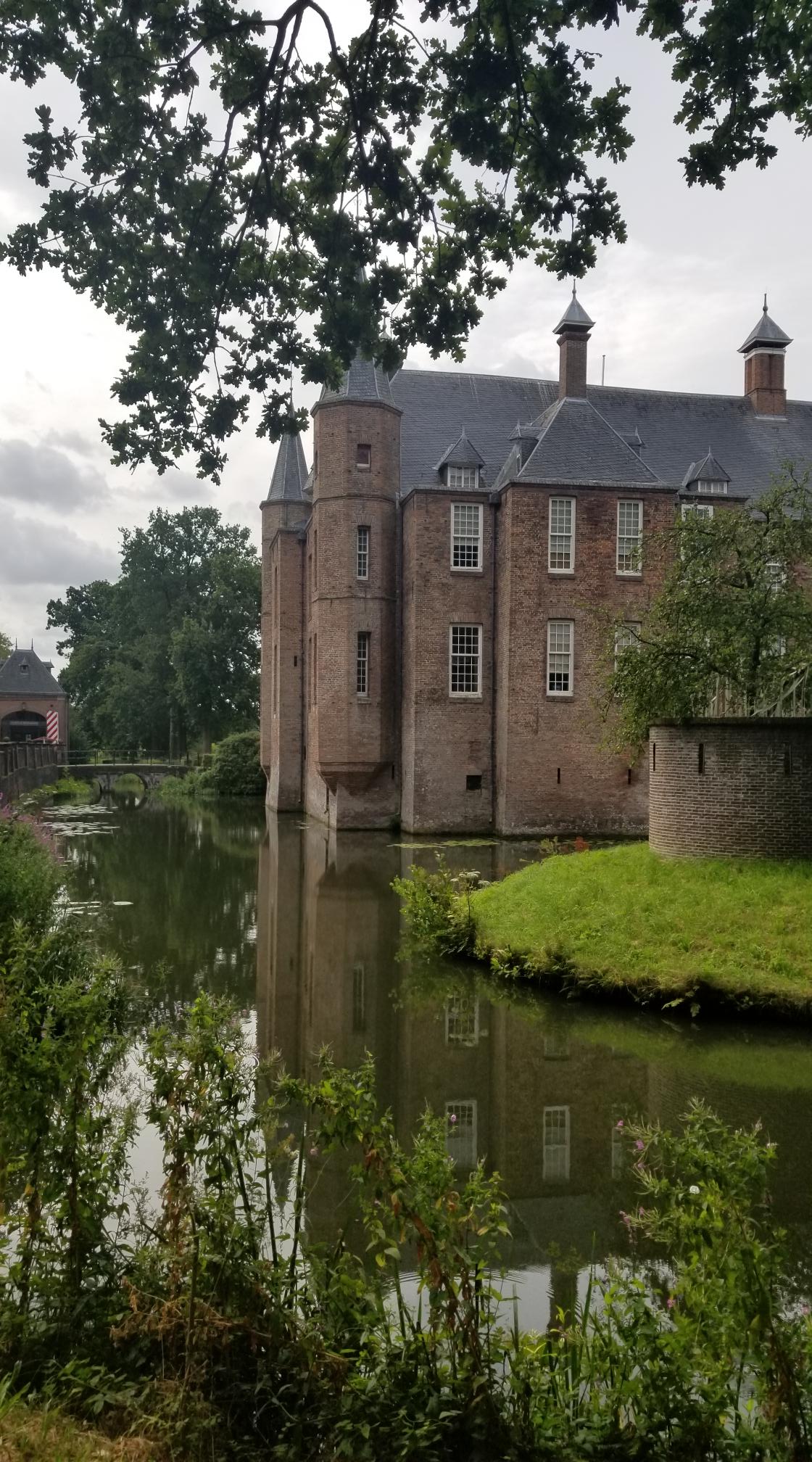
The Koninkrijk Museum (the Royal Palace) was a tour through the palace in Dam Square in Amsterdam. It was nicely furnished, and there was also a bit of history about the building and its construction. Likewise, the Zuylen Slot museum was a castle (Dutch castles are like large estates not the castles of France and Germany), and it had some interesting historical pieces and was quite pretty from the outside next to the gardens and a canal.
On a different side of history and culture, we also visited the Louwman Museum which is a museum dedicated to cars. I wasn’t too sure that I would like this one, but the collection was immense, and there were cars throughout time from early models to supercars of the 1990s. There were fun cars like a beach car from the 1960s with wicker interior and a Rolls Royce with a toilet inside, and there were famous cars like one of Elvis’s custom Cadillacs, Winston Churchill’s car and cars used in movies. My favorite part-the horns that were used on early cars which looked like full instruments!

We rounded out the historical visits with the Brandweer Museum which is all about firefighting. They had a lot of old pumps and vehicles as well as other equipment and mementos from firefighting in The Netherlands that dated back to around the 19th century.
On the bizarre and whimsical side of things:
The NEMO Science Museum:
While it isn’t bizarre to have a science museum, the Dutch always throw in a few things that you wouldn’t expect especially for a museum geared toward children. This one was no exception as the floor about the human body contained a section on sex including large real photos of genitalia, a simulation of french kissing and a “joy of sex” booth complete with non-stop moaning noises. I did enjoy the exhibit on sustainable materials that can be used in place of non-sustainable for textile production. The pineapple parts that could be used to make an imitation leather was something I had never heard of.
Naturalis:
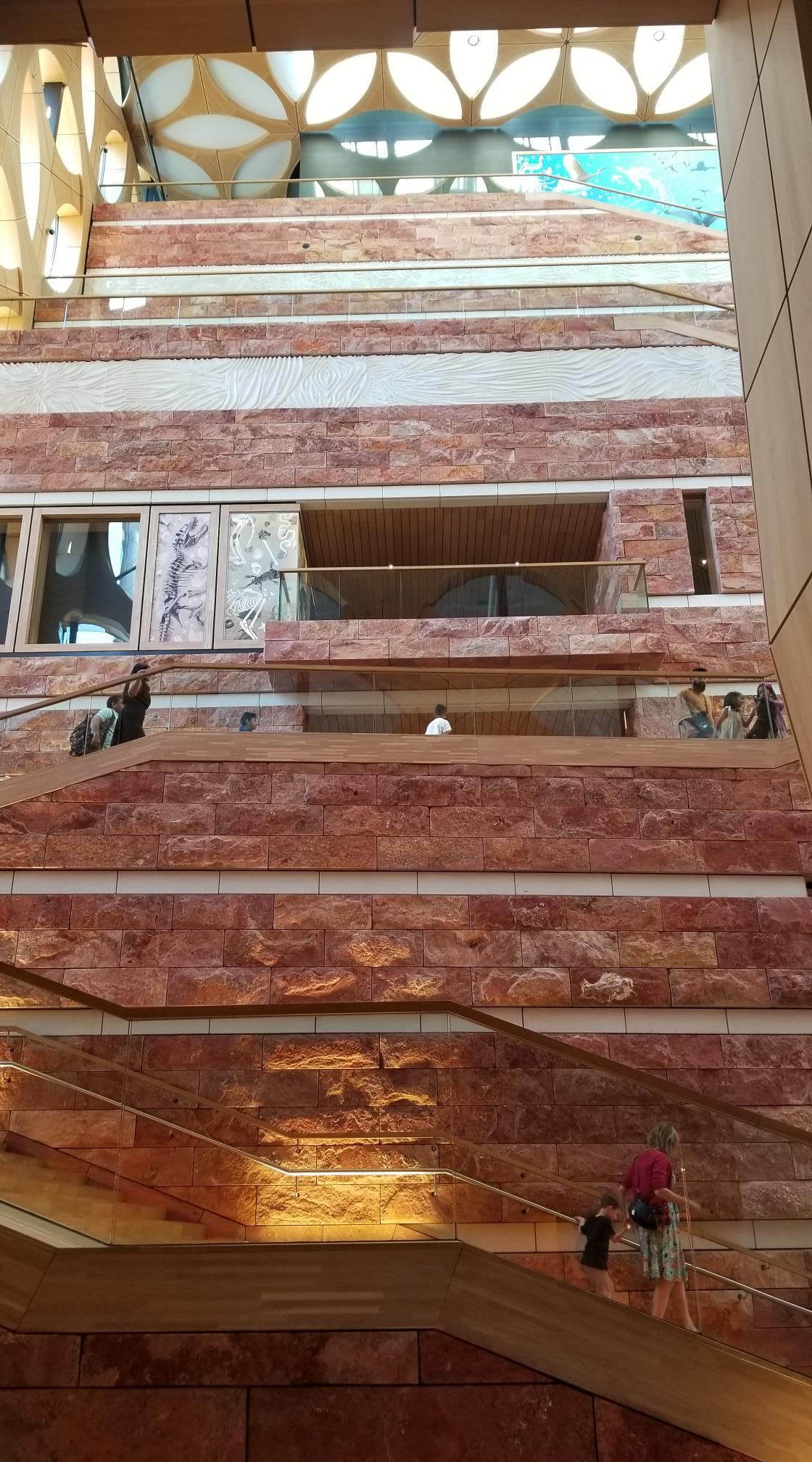
This was a kind of natural history museum with exhibits on dinosaurs featuring lots of skeletons and fossils, the many species that can be found in different habitats, and geological formations. Where it got a bit bizarre was in the death exhibit which featured a lot of information about how everything dies with a few graphic images and in the seduction exhibit which focused on reproduction. Behind the tame section on mating and reproduction was a curtained-in area that featured all kind of information on genitalia, reproductive processes and mating behaviors- quite informative as it wasn’t your run-of-the-mill information on mating. Some highlights of this bizarre room included the sperm-a-race game, the curtained booth that had information on panda mating, but in order to see the accompanying video, you had to pull a rope to open the curtain in front of the screen, and the large posters that you could flip through with pictures of animal mating in progress.
Aside from these museums, we also made it to Space Expo which is dedicated to, you guessed it, space and space exploration. They had a few interesting items and a little replica of the International Space Station that you could walk through, but this was probably our least favorite museum. We also went to the botanical gardens of the university in Delft which had some interesting plants and flowers, especially in the greenhouses.
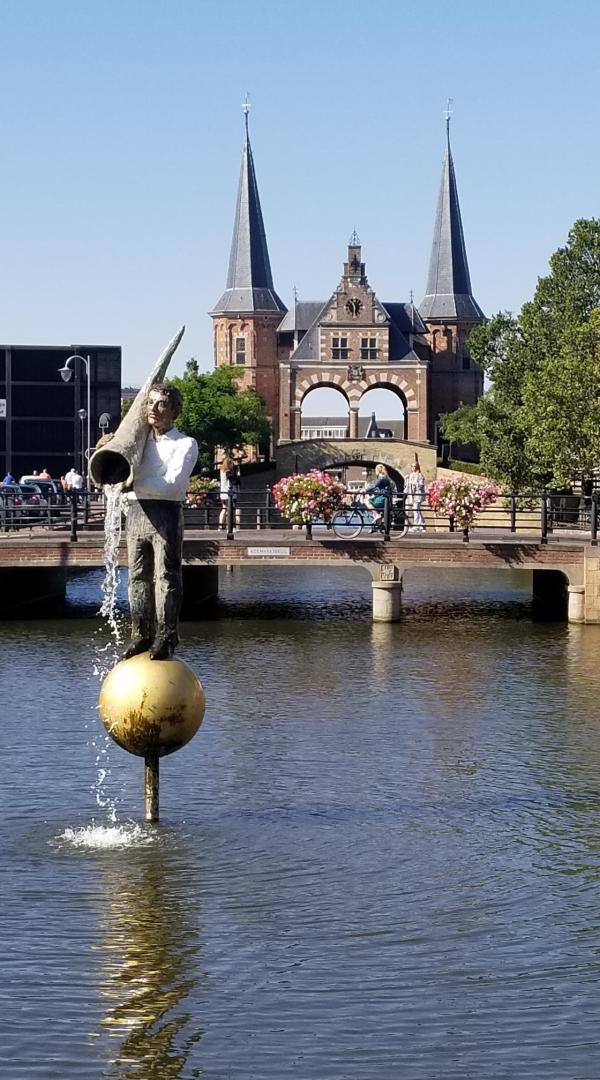
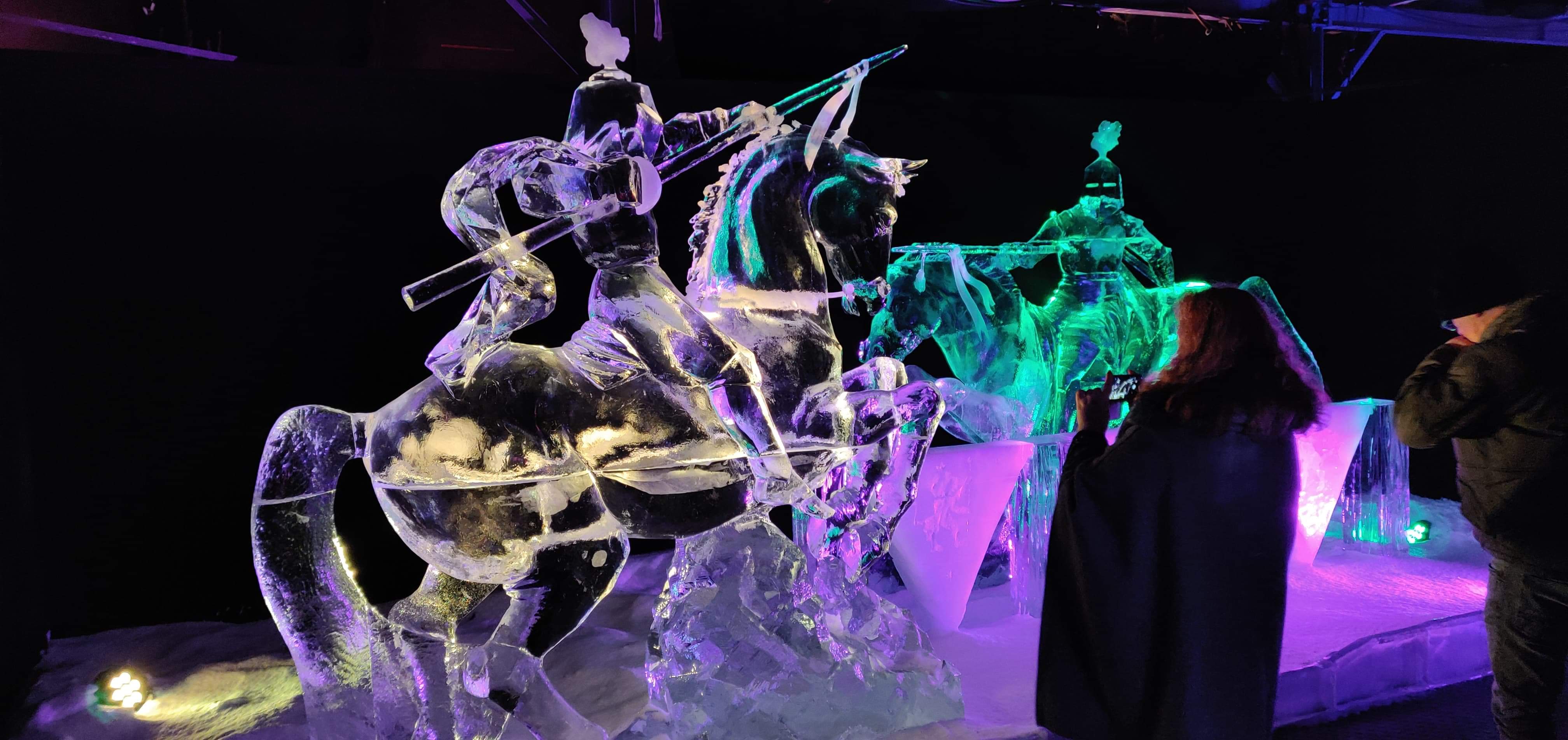
Over our time here, we have also seen plenty of other museums, many of which land on the cultured and historical side of things but even these sometimes feature the bizarre and whimsical such as strange and creepy mannequins, witch weighing scales, overly graphic replicas of animals preying on other animals, and, my personal favorite, a man-made display about water and activities on the water that featured a glimpse from under the water in which you could see a floating feces and a fisherman, with all his special bits, relieving himself in said water.
How costly are all of these museums? For residents, we can buy an annual museum card that allows us free entry into hundreds of government run museums which can be quite a huge savings, however if you are here for a month or less, you can also buy a temporary card which allows you entry to 5 museums (and yes, our most famous like the Rijks, Anne Frank house, and Van Gogh museum are all included). All of this to say that if you are looking for some quality artwork, architecture, historical pieces and the bizarre and unusual, The Netherlands might just be the place for you!
![20220903_075338[2044]](https://terisacunha.com/wp-content/uploads/2022/09/20220903_0753382044.jpg)
![20220903_082704[2045]](https://terisacunha.com/wp-content/uploads/2022/09/20220903_0827042045.jpg)
![20220903_092053[2049]](https://terisacunha.com/wp-content/uploads/2022/09/20220903_0920532049.jpg)
![20220903_090122[2047]](https://terisacunha.com/wp-content/uploads/2022/09/20220903_0901222047.jpg)
![20220903_085320[2048]](https://terisacunha.com/wp-content/uploads/2022/09/20220903_0853202048.jpg)
![20220903_091811[2046]](https://terisacunha.com/wp-content/uploads/2022/09/20220903_0918112046.jpg)
![20220903_091817[2051]](https://terisacunha.com/wp-content/uploads/2022/09/20220903_0918172051.jpg)
![20220903_102748[2053]](https://terisacunha.com/wp-content/uploads/2022/09/20220903_1027482053.jpg)
![20220903_102840[2054]](https://terisacunha.com/wp-content/uploads/2022/09/20220903_1028402054.jpg)
![20220903_103025[2055]](https://terisacunha.com/wp-content/uploads/2022/09/20220903_1030252055.jpg)
![20220903_103137[2057]](https://terisacunha.com/wp-content/uploads/2022/09/20220903_1031372057.jpg)
![20220903_102724[2052]](https://i0.wp.com/terisacunha.com/wp-content/uploads/2022/09/20220903_1027242052.jpg?w=364&h=364&crop=1&ssl=1 "20220903_102724[2052]")
![20220903_103245[2056]](https://i0.wp.com/terisacunha.com/wp-content/uploads/2022/09/20220903_1032452056.jpg?w=364&h=364&crop=1&ssl=1 "20220903_103245[2056]")
![20220903_103608[2058]](https://i0.wp.com/terisacunha.com/wp-content/uploads/2022/09/20220903_1036082058.jpg?w=364&h=364&crop=1&ssl=1 "20220903_103608[2058]")
![20220903_103705[2060]](https://i0.wp.com/terisacunha.com/wp-content/uploads/2022/09/20220903_1037052060.jpg?w=364&h=364&crop=1&ssl=1 "20220903_103705[2060]")
![20220903_103657[2059]](https://i0.wp.com/terisacunha.com/wp-content/uploads/2022/09/20220903_1036572059.jpg?w=364&h=364&crop=1&ssl=1 "20220903_103657[2059]")
![20220903_104517[2061]](https://i0.wp.com/terisacunha.com/wp-content/uploads/2022/09/20220903_1045172061.jpg?w=364&h=364&crop=1&ssl=1 "20220903_104517[2061]")
![20220903_110612[2062]](https://terisacunha.com/wp-content/uploads/2022/09/20220903_1106122062.jpg)
![20220903_110940[2064]](https://terisacunha.com/wp-content/uploads/2022/09/20220903_1109402064.jpg)
![20220903_111010[2063]](https://terisacunha.com/wp-content/uploads/2022/09/20220903_1110102063.jpg)
![20220903_111036[2065]](https://terisacunha.com/wp-content/uploads/2022/09/20220903_1110362065.jpg)
![20220903_112548[2067]](https://terisacunha.com/wp-content/uploads/2022/09/20220903_1125482067.jpg)
![20220903_120031[2068]](https://i0.wp.com/terisacunha.com/wp-content/uploads/2022/09/20220903_1200312068.jpg?w=242&h=434&ssl=1 "20220903_120031[2068]")
![20220903_114959[2066]](https://i0.wp.com/terisacunha.com/wp-content/uploads/2022/09/20220903_1149592066.jpg?w=241&h=434&ssl=1 "20220903_114959[2066]")
![20220903_120129[2070]](https://i0.wp.com/terisacunha.com/wp-content/uploads/2022/09/20220903_1201292070.jpg?w=241&h=434&ssl=1 "20220903_120129[2070]")
![20220903_134832[2069]](https://i0.wp.com/terisacunha.com/wp-content/uploads/2022/09/20220903_1348322069.jpg?w=173&h=312&ssl=1 "20220903_134832[2069]")
![20220903_134844[2071]](https://i0.wp.com/terisacunha.com/wp-content/uploads/2022/09/20220903_1348442071.jpg?w=555&h=312&ssl=1 "20220903_134844[2071]")






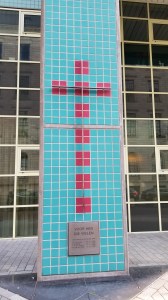
 Next, we walked nearby to the police station where a lasting memorial to a group of resistance fighters who were shot by the Nazis can be viewed. These types of memorials were erected after the war using wooden crosses, but many later became permanent fixtures such as this one.
 We made our way to a street that was about a 20-minute walk away, to see some “Stolpersteine” which translates to stumbling stones. These stones are set into the sidewalk in front of the former home of individuals who were exterminated or persecuted by the Nazis. This project was begun by a German artist in the 1990s. More than 70,000 stones can now be found throughout Europe and Russia and the artist oversees the installation of each one. We found several up and down this particular street as well as on the surrounding streets.


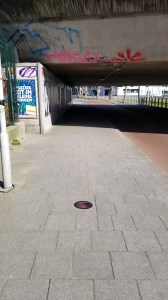
 As we made our way back to our starting point, we found one of the markers delineating the line of fire that consumed the city after the bombing. These markers outline the entire path of the wall of fire and feature the image of the “Destroyed City,” a sculpture depicting the city in the form of a man with his heart missing to symbolize the loss of the heart of the city due to the bombings, outlined in front of flames.
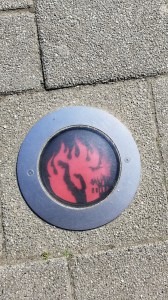
 The Destroyed City sculpture:
 This map outlines the path of the wall of fire:
 Our final stop of the day was Loods 24. This site which is closer to the river was the location from which the Jewish citizens of Rotterdam were loaded onto trains to be sent to concentration camps. Children as young as 3 months were shipped out. The names and ages of the known children can be found engraved on this monument.


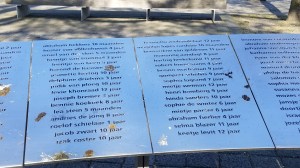 These markers, monuments, and scars throughout the city are evidence that the people of Rotterdam, rightfully, do not want to forget the past and the atrocities that occurred here, but as we took in the beauty of the day and our surroundings during our walk, we were also reminded that even amidst immense tragedy, we are capable of healing and building a future.
**Remembrance day is May 4th in the Netherlands. I encourage you all to remember on this day and always so that we never repeat the past.
These markers, monuments, and scars throughout the city are evidence that the people of Rotterdam, rightfully, do not want to forget the past and the atrocities that occurred here, but as we took in the beauty of the day and our surroundings during our walk, we were also reminded that even amidst immense tragedy, we are capable of healing and building a future.
**Remembrance day is May 4th in the Netherlands. I encourage you all to remember on this day and always so that we never repeat the past.





















 My So Called Dutch Life